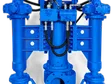
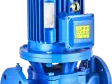
Vertical Sump Slurry Pumps
Vertical pumps installed in a tank or sump, with the wet end below the liquid level.
- Layout
- Vertical, wet end below the liquid
- Drive
- Electric motor, direct or belt
- Wet end
- Metal, or rubber-lined (SPR)
- Series
- ZJL, YZ, SP + 2 more
Series
- ZJL
- YZ
- SP
- SPR
- YW
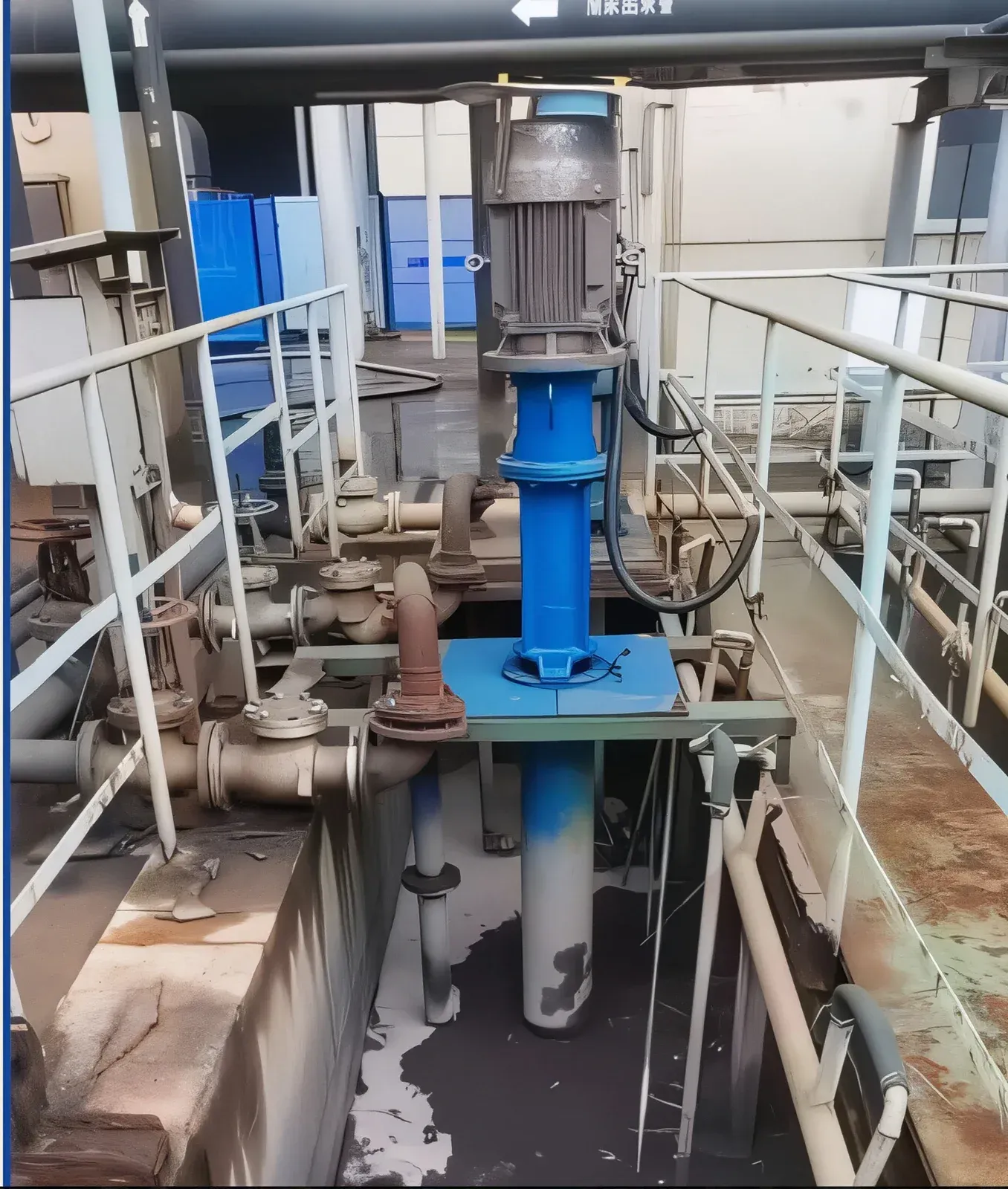
A vertical sump slurry pump hangs from a support plate over a tank, sump or pit. The wet end works below the liquid level and the motor stays above it, so the pump needs no suction line and starts flooded.
It is the usual choice where slurry collects in a fixed pit or process tank: floor spillage, sump clean-out and tank discharge. The immersion length, drive and lower inlet are set for each model.
Typical duties
- Process tanks
- Floor sumps
- Plant pits
- Spillage recovery
Arrangements
Vertical sump pumps differ in how they are supported and how long they are below the plate.
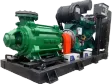
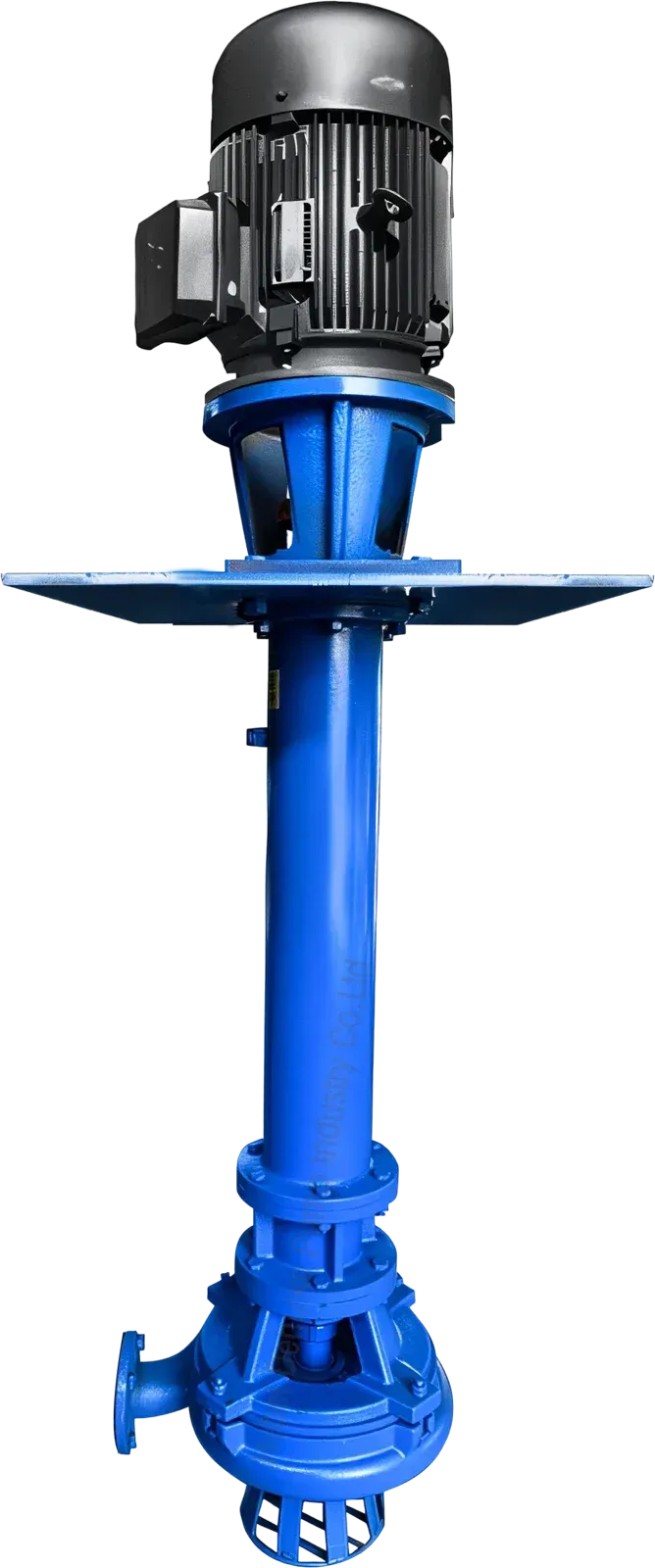
Vertical sump pump on a support plate
The motor above the plate and the wet end below the liquid.
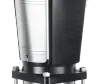
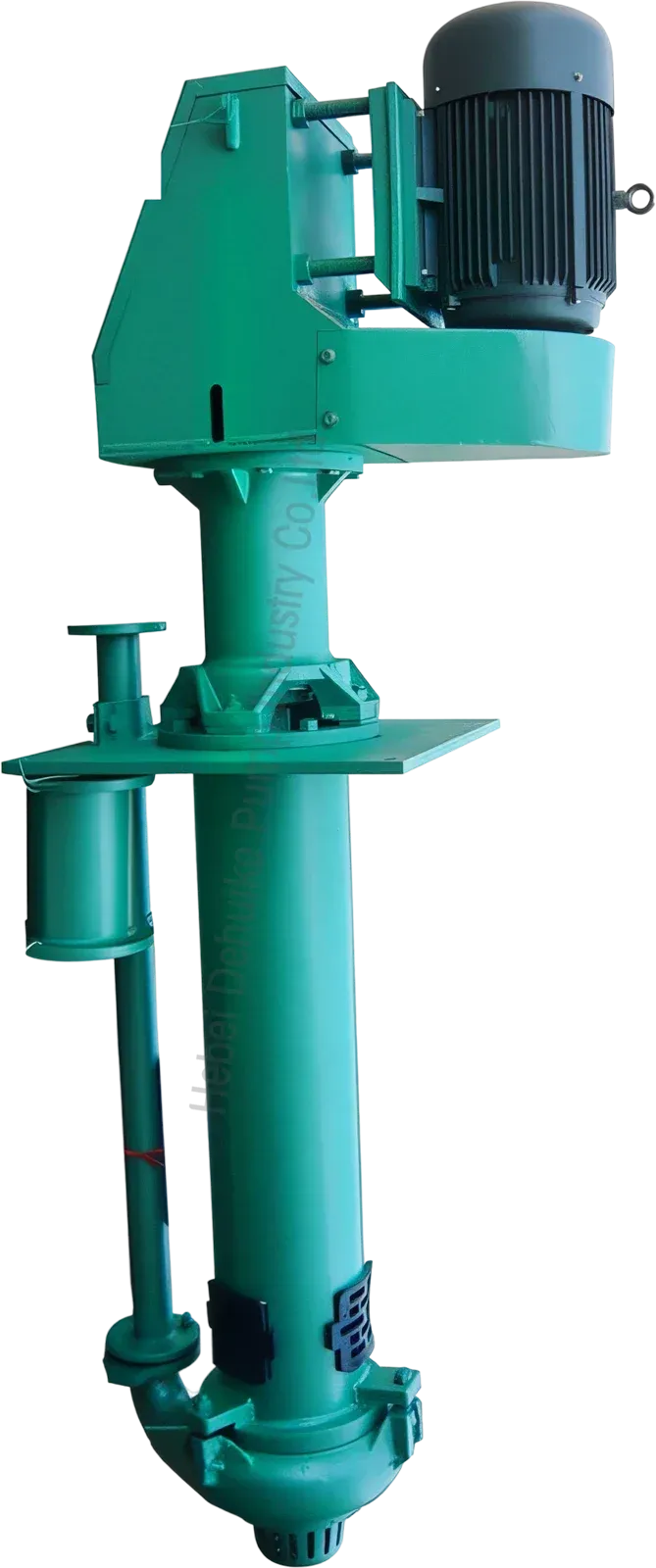
Pump on a different support
The motor on a bracket above the column.
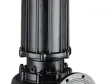
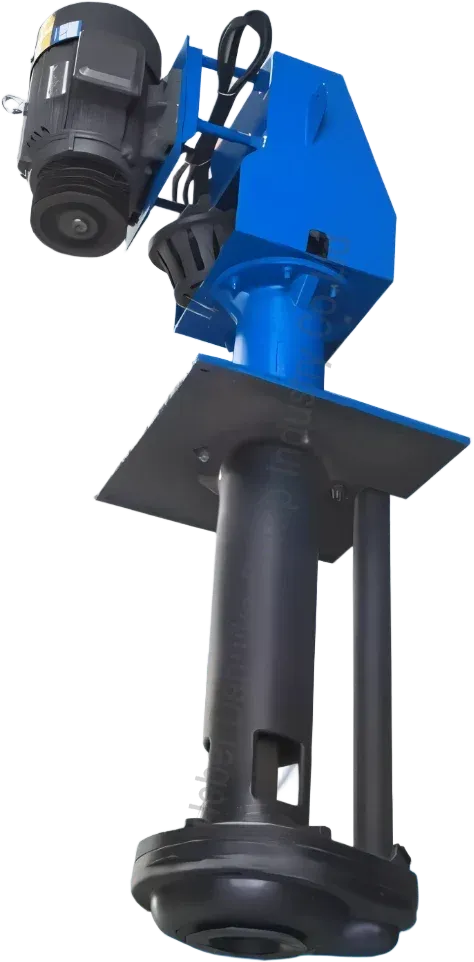
Pump with a large mounting plate
A large plate that closes the top of the pit or tank.
Why a vertical sump pump for pits and tanks
Slurry that collects in a pit has to be lifted out of it. A horizontal pump beside the pit needs a suction line and priming, and a long suction line in slurry is a place for solids to settle and block. A vertical sump pump puts the wet end in the liquid instead.
Because the pump is fixed over the pit, it suits sumps and tanks with a regular layout. Where the pump has to be moved from pit to pit, a submersible pump is easier to relocate.
Construction
A vertical sump pump is built from a few long parts hung from one plate.
- Support plateThe pump hangs from it and it closes the top of the pit or tank.
- ColumnCarries the shaft and the discharge line between the plate and the wet end; its length sets how deep the pump works.
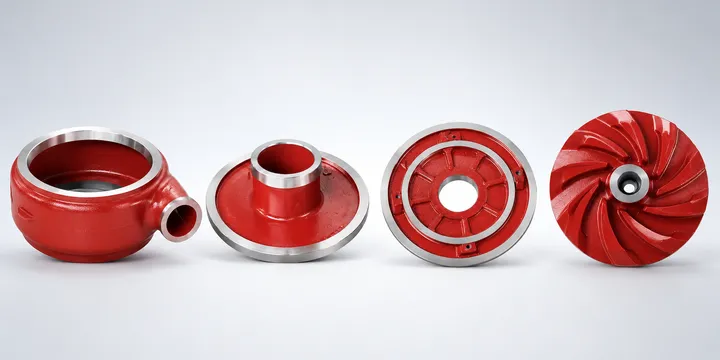
- Wet end below the liquidCasing and impeller with a lower inlet, in hard metal or rubber-lined parts depending on the slurry.
- DriveAn electric motor above the plate, connected directly or by belt, depending on the model.
Choosing a vertical sump pump
- Immersion length
- Depth of the pit or tank and the range of liquid level
- Slurry
- Density, particle size and chemistry; these decide metal or rubber lining
- Flow and head
- Volume to move and the height and distance to move it
- Lower inlet
- Plain suction or an agitating inlet for settled solids
- Drive
- Direct or belt, and the power available
- Installation
- Plate size, access for lifting and room above the pit
Typical vertical sump pump duties
Process tanks
Emptying slurry from agitated or settling tanks.
Floor sumps
Clearing spillage and wash-down that collects in a plant sump.
Plant pits
Lifting slurry from pits to the next stage of the process.
From the works
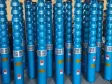
- Long-shaft pumps in the workshop
- Pump on a pallet
Frequently asked questions
Vertical sump pump or submersible slurry pump?
A vertical sump pump keeps its motor above the liquid and hangs from a plate, so it suits a fixed pit or tank. A submersible pump works completely under the liquid and is easier to move between pits.
How long can the pump be below the plate?
The immersion length is set for each model. Send the depth of the pit or tank and the liquid level range and we will advise.
What do you need to quote a vertical sump pump?
Slurry density and particle size, flow and head, the depth of the pit or tank, and the drive and power available. Partial data is fine; we will ask for what is missing.
Related products
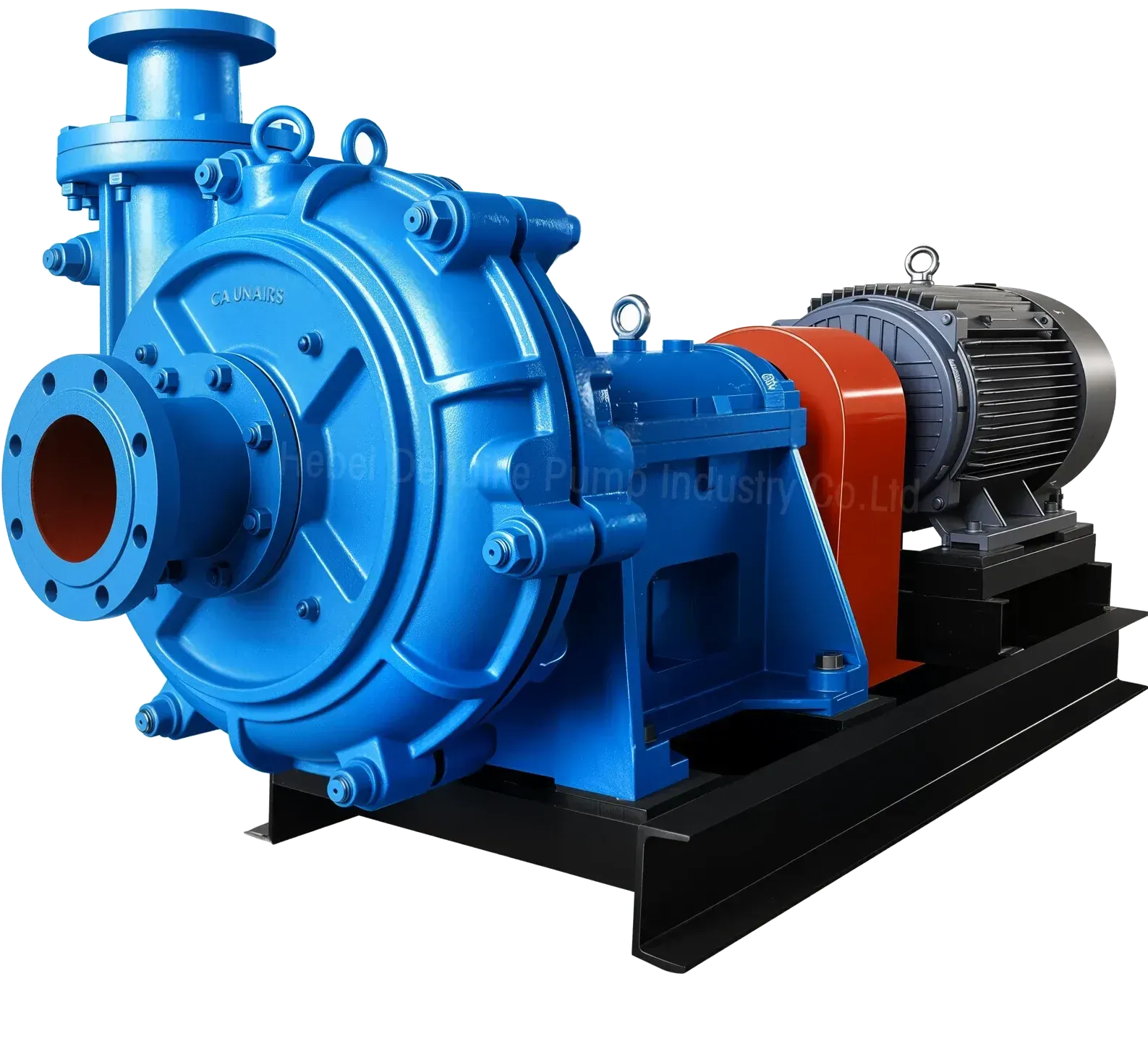
Horizontal Slurry Pumps
Horizontal centrifugal pumps for continuous abrasive service. Heavy frames and thick, replaceable wet-end parts keep them running between planned liner changes.
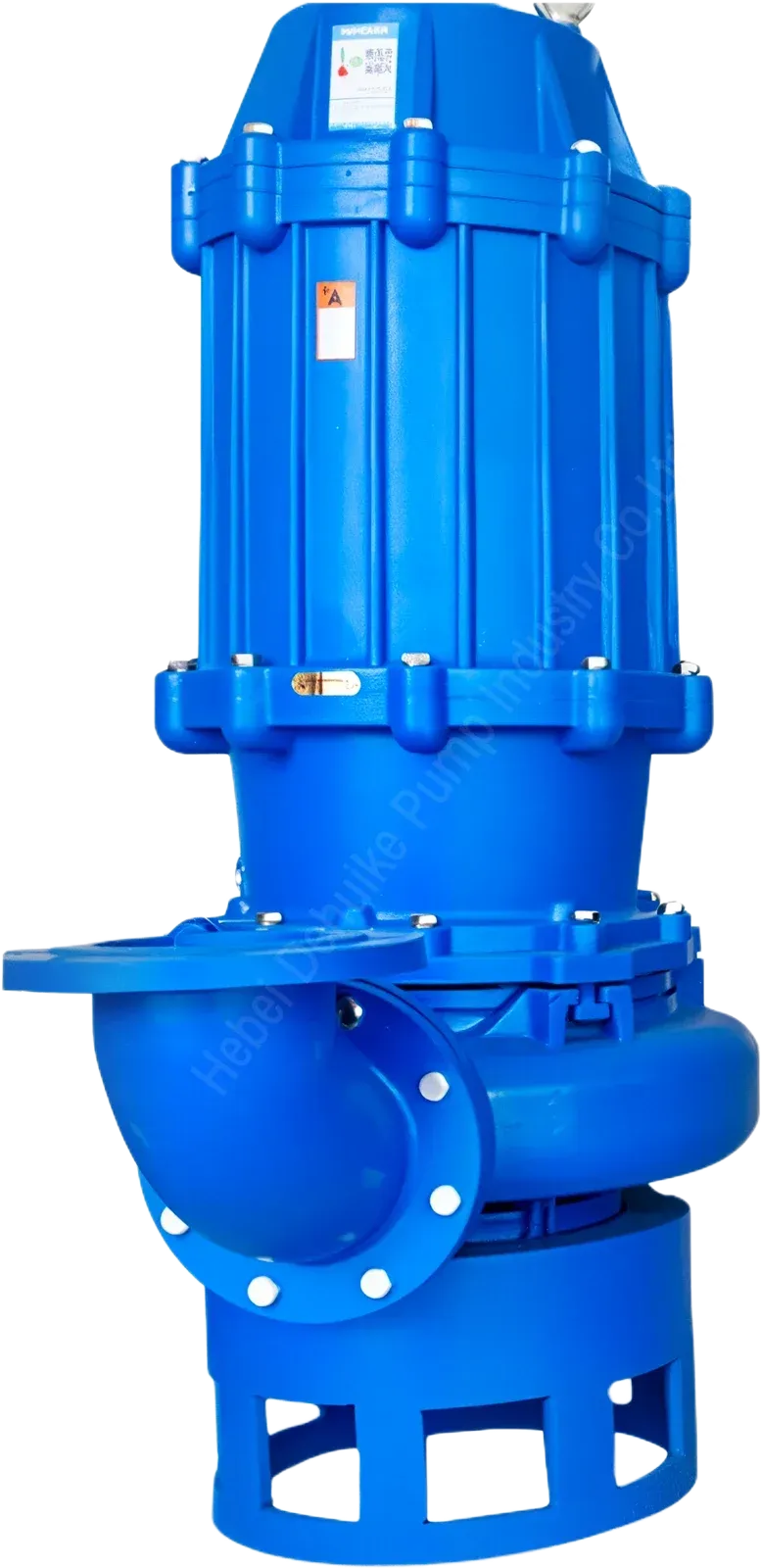
Submersible Slurry Pumps
Electric submersible pumps for slurry, with side or bottom agitator options for settled solids.
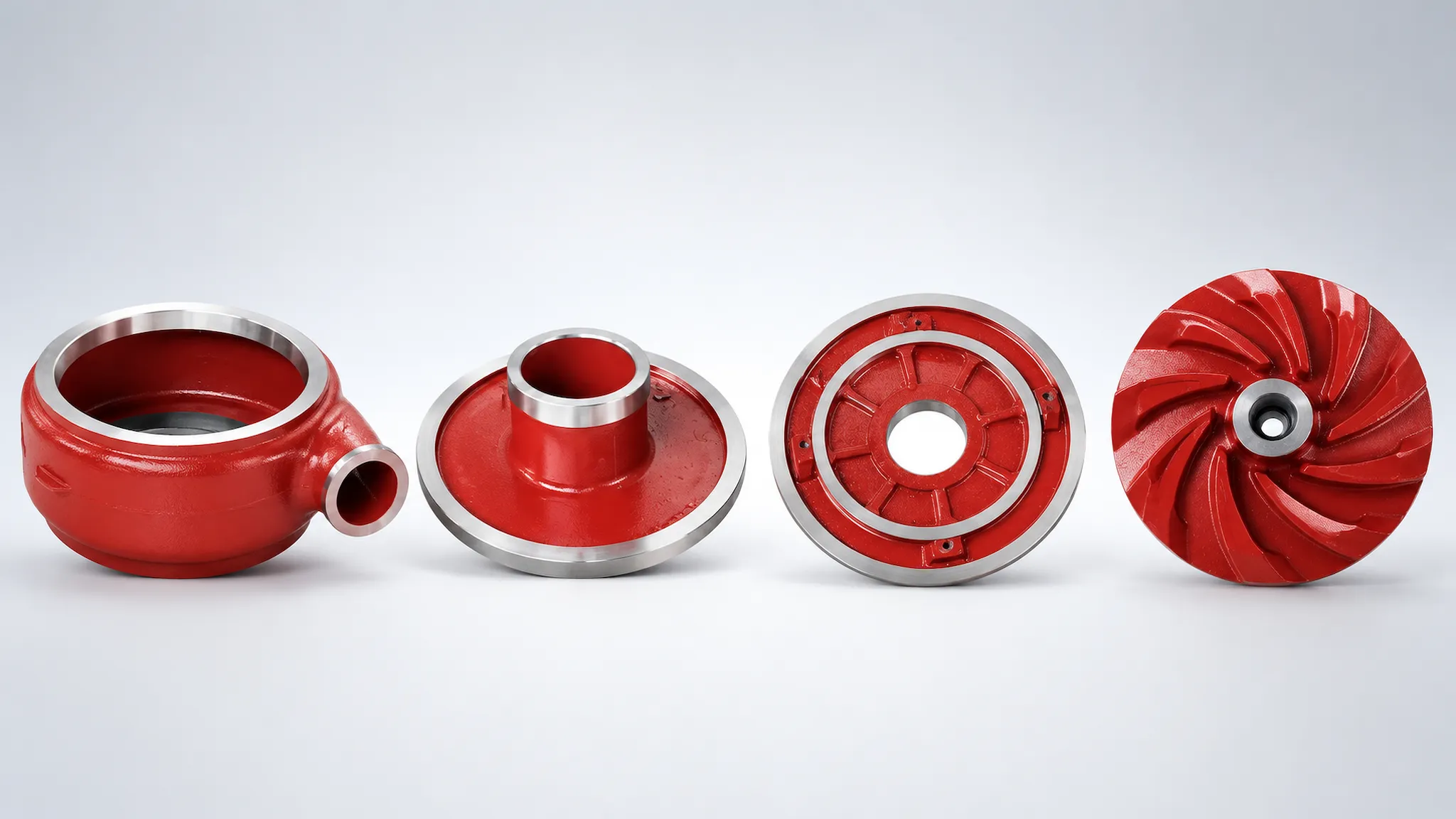
Wear Parts & Spares
Impellers, throat bushes, volute and frame plate liners, plus seals, bearings and couplings: the parts that wear first and decide how long a pump runs between shutdowns.
Request a quote for vertical sump slurry pumps
Send the depth of the pit, the slurry and the flow and head. Density and particle size help most.
- Flow rate
- Total head
- Pumped medium
- Solids concentration
- Particle size
- Materials & wear resistance
- Operating conditions
Prefer email or WhatsApp?sales@kunyuemech.comWhatsApp +86 182 4452 6981
Send your inquiry
Tell us about the duty. Technical details are optional.
Inquiry received
We will reply by email. For a quicker conversation, message us on WhatsApp.
Message us on WhatsApp