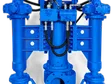
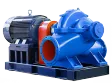
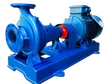
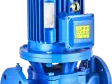
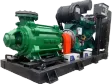

Split Case Double Suction Pumps
Axially split, double-suction pumps for high-flow water transfer, cooling water and industrial supply.
- Layout
- Horizontal, axially split casing
- Impeller
- Double suction
- Supplied as
- Electric, diesel or trailer set
- Series
- S, SH
Series
- S
- SH
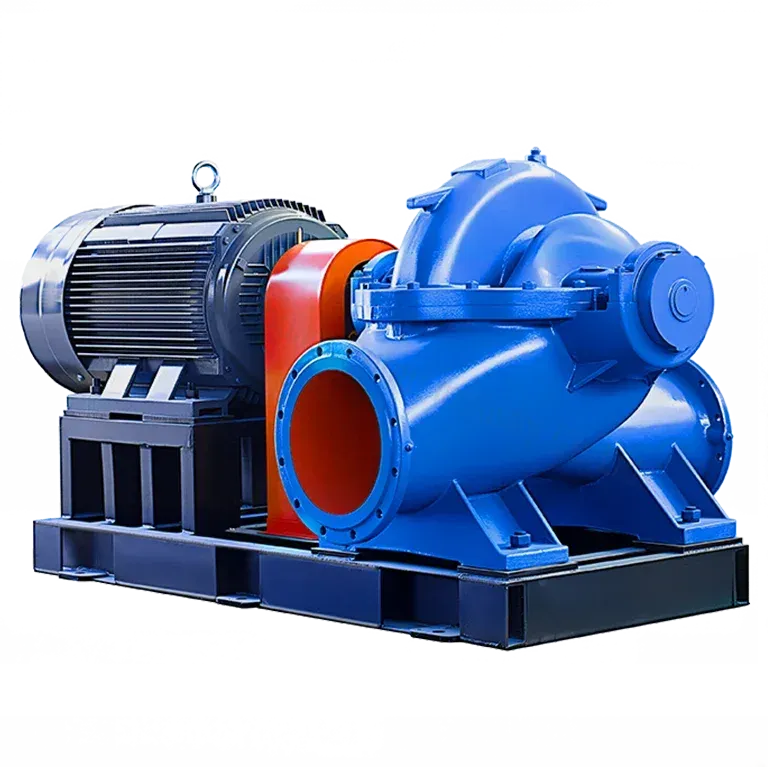
A split case pump has a casing divided along the shaft line, so the top half lifts off to expose the rotating assembly. Combined with a double suction impeller, which takes water in from both sides, it moves large flows of water at moderate head efficiently and for long running hours.
Our split case double suction pumps are used for high-flow water transfer, cooling water circuits and industrial and municipal water supply, where efficiency and easy maintenance matter over many years of service.
Typical duties
- Water transfer
- Cooling water
- Industrial supply
- Raw water intake
Supply forms
The pump is supplied with the drive that suits the site: an electric motor, a diesel engine, or a diesel engine on a trailer.
Electric set
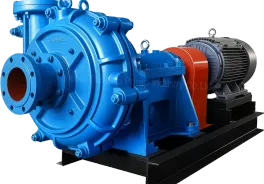
Pump and electric motor on a common baseplate.
Drive: Electric motor
Choose it when mains power is available at the site.
Diesel engine set
Pump driven by a diesel engine on a skid.
Drive: Diesel engine
Choose it when there is no mains power at the site.
Trailer set
A diesel-driven set on a wheeled trailer, with a canopy.
Drive: Diesel engine, on a trailer
Choose it when the pump has to move to where the water is needed.
Pump head
The pump on its base, without a motor or an engine.
Drive: None; you fit your own
Choose it when you already have a motor or engine and a base, or build the set yourself.
How a double suction split case pump works
Water enters the casing and divides into two streams that reach the impeller from both sides. Because the flow comes in from both sides, the axial forces on the impeller largely cancel out, which eases the load on the bearings and allows large flows through one impeller.
Feeding the impeller from two sides also lowers the inlet velocity, which helps the pump run without cavitation at high flow. The shaft is supported by bearings at both ends, outside the casing, which keeps it stiff and the running smooth.
Balanced axial load
Two-sided inlet cancels most of the axial thrust on the impeller and bearings.
High flow
A double suction impeller passes large flows at good efficiency.
Low inlet velocity
Splitting the inflow helps the pump meet its suction requirements at high flow.
Easy maintenance
Lifting the top half of the casing gives access without disturbing pipework or motor.
Split case pump construction
- Axially split casingUpper and lower halves joined along the shaft line; suction and discharge nozzles stay on the lower half.
- Double suction impellerTakes water in from both sides for balanced load and high flow.
- Wear ringsReplaceable rings at the impeller inlets keep clearances tight and efficiency up as they wear.
- Shaft and bearingsShaft supported at both ends, with bearings outside the pumped liquid.
- Shaft sealsGland packing or mechanical seals on each side of the casing, chosen to the water and site.
- Baseplate and drivePump and motor on a common baseplate, usually direct coupled.
Compare with other water pumps
All of these pump clean water. They differ in the flow they pass, the head they build and where they are installed. The duty point of the system decides between them.
| Pump | Flow | Head | Best known for |
|---|---|---|---|
| End Suction Centrifugal Pumps | Moderate | Moderate | General supply, circulation and transfer |
| Inline Pipeline Pumps | Moderate | Moderate | Sitting in the pipeline where space is tight |
| Split Case Double Suction PumpsThis page | Large | Moderate | Long running hours and easy maintenance |
| Horizontal Multistage Pumps | Low to moderate | High | High-head duty such as mine water lift and boiler feed |
| Vertical Multistage Pumps | Low to moderate | High | Pressure boosting on a small floor area |
| Axial & Mixed Flow Pumps | Very large | Low | Drainage, irrigation and flood control |
| Self-Priming Pumps | Moderate | Moderate | Lifting from below pump level without a foot valve |
| Borehole Submersible Pumps | Low to moderate | Moderate to high | Drawing water from wells and boreholes |
A comparison in general terms. Send your duty and we will say which type fits it.
Choosing a split case pump
- Flow and head
- The duty point, plus any other operating points the system will run at
- Suction conditions
- Water level, suction pipe layout and NPSH available at the pump
- Water quality
- Clean, raw or lightly loaded water, temperature and any chemicals
- Materials
- Casing, impeller and shaft materials to suit the water
- Sealing
- Gland packing or mechanical seal
- Running hours
- Continuous duty favours selecting close to the best efficiency point
Typical split case pump duties
Industrial water transfer
Moving large volumes of process and raw water between plant areas.
Water transfer applicationsCooling water
Circulating water through cooling towers, condensers and heat exchangers.
Water supply
Pumping stations for industrial and municipal supply networks.
Water transfer applicationsMine water
High-flow transfer of clarified mine water and process water.
From the works
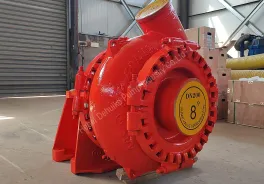
- Large split case pumps
- Diesel sets on pallets
Frequently asked questions
What is the difference between a split case pump and an end suction pump?
An end suction pump takes water in at one end and has a single-sided impeller. A split case pump takes water in from both sides of a double suction impeller and its casing opens along the shaft. Split case pumps suit larger flows and long-running duties where efficiency and access for maintenance matter.
Why is a split case pump easy to maintain?
The suction and discharge connections are on the lower half of the casing. Removing the upper half exposes the impeller, wear rings, seals and bearings without disconnecting the pipework or moving the motor.
Can a split case pump handle dirty water?
It is designed for clean or lightly loaded water. Water carrying sand or other abrasive solids will wear the wear rings and impeller quickly; for that duty a slurry pump is a better fit.
What do you need to quote a split case pump?
Flow and head at the duty point, suction conditions, water quality and temperature, power supply and any preference for materials and sealing.
Applications
Industrial Water TransferRelated products
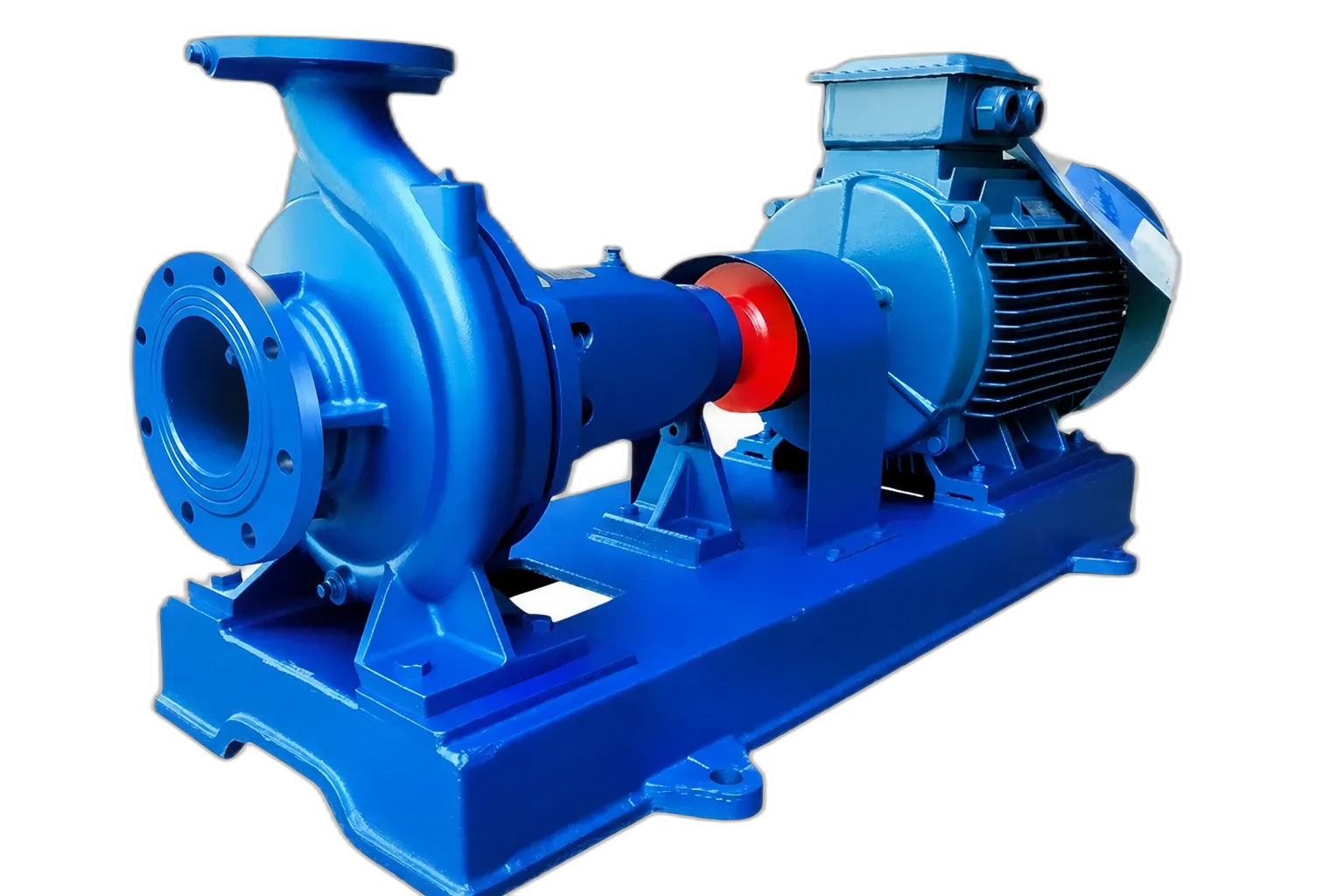
End Suction Centrifugal Pumps
Single-stage clear-water pumps, supplied as a bare pump or as a complete set with motor.
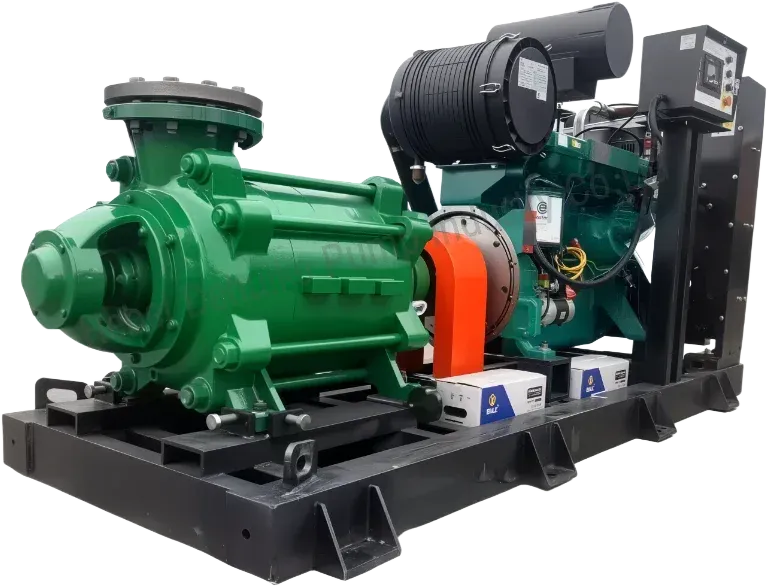
Horizontal Multistage Pumps
Several impellers in series for higher head: mine water lift, boiler feed and pressure boosting.
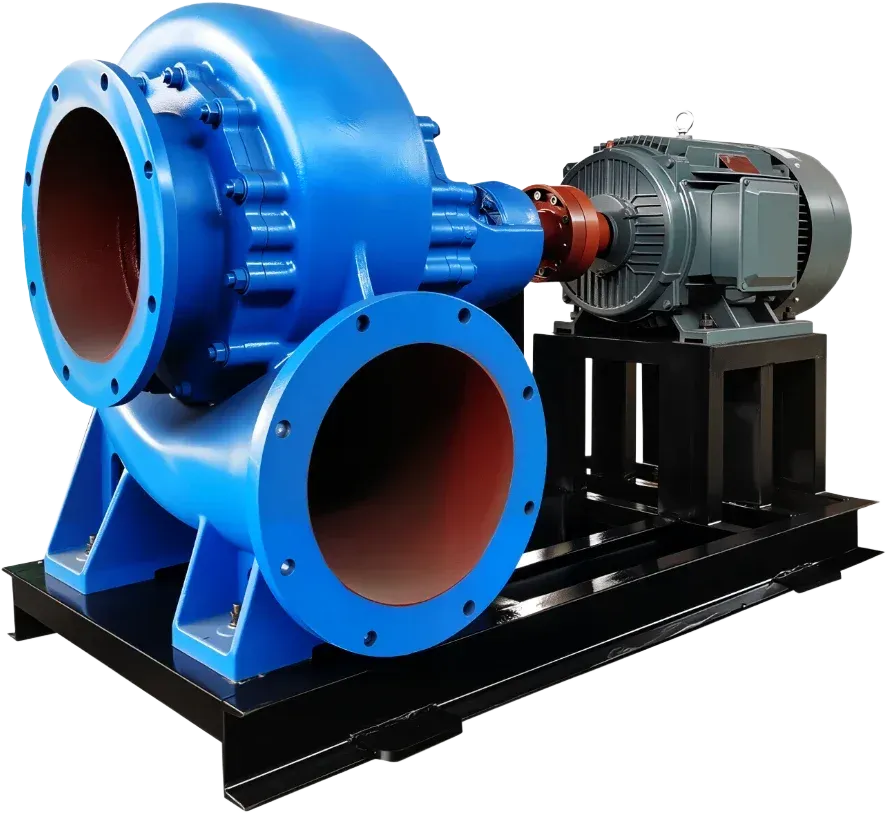
Axial & Mixed Flow Pumps
Large-flow, low-head pumps for drainage, irrigation and flood control, in fixed and mobile arrangements.
Request a quote for split case double suction pumps
Send the duty point, suction conditions and water quality. A system curve or pipework layout helps.
- Flow rate
- Total head
- Pumped medium
- Solids concentration
- Particle size
- Materials & wear resistance
- Operating conditions
Prefer email or WhatsApp?sales@kunyuemech.comWhatsApp +86 182 4452 6981
Send your inquiry
Tell us about the duty. Technical details are optional.
Inquiry received
We will reply by email. For a quicker conversation, message us on WhatsApp.
Message us on WhatsApp