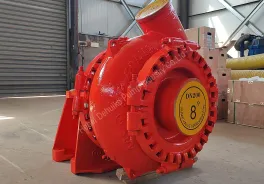
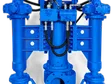
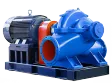
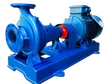
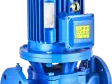
Gear & Screw Pumps
Positive displacement gear and three-screw pumps for viscous and lubricating liquids.
- Types
- Gear pumps and three-screw pumps
- Principle
- Positive displacement
- Drive
- Electric motor
- Series
- YCB, KCB, 2CY + 2 more
What we need to know
Choosing a gear or screw pump
- LiquidName, viscosity and lubricating properties
- TemperatureOperating temperature, which changes the viscosity
- Flow and pressureVolume needed and the pressure of the system
- Inlet conditionsSuction lift or flooded inlet and the line size
- Seal and materialsParts in contact with the liquid and the shaft seal
- ProtectionThe relief arrangement for the line
On this page
Series
- YCB
- KCB
- 2CY
- NYP
- 3G
Gear pumps and three-screw pumps are positive displacement pumps: they trap a volume of liquid and push it forward, so the flow follows the speed rather than the head. They suit viscous and lubricating liquids that a centrifugal pump handles poorly.
The liquid decides the pump. Viscosity, temperature, lubricating properties and any solids set the type, the speed and the materials; send them with your inquiry and we will select the pump with you.
Typical duties
- Viscous liquids
- Lubricating liquids
- Process transfer
- Steady flow
How positive displacement pumps work
In a gear pump two meshing gears carry liquid around the casing and push it out at the other side. In a three-screw pump a driven screw and two idler screws form sealed chambers that move the liquid along the axis in a steady stream.
Because each turn moves a fixed volume, the flow follows the speed. A positive displacement pump builds as much pressure as the line demands, so the system needs a relief or protection arrangement.
What we need to know
Choosing a gear or screw pump
- LiquidName, viscosity and lubricating properties
- TemperatureOperating temperature, which changes the viscosity
- Flow and pressureVolume needed and the pressure of the system
- Inlet conditionsSuction lift or flooded inlet and the line size
- Seal and materialsParts in contact with the liquid and the shaft seal
- ProtectionThe relief arrangement for the line
The pumps
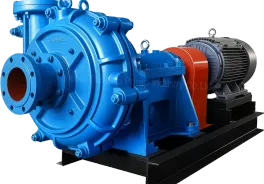
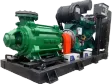
Both types are supplied as sets with an electric motor on a base.
- Gear pump set
- Three-screw pump
- Three-screw pump in the workshop
Construction
- Gears or screwsThe parts that trap the liquid and move it; their fit sets the leakage back to the inlet.
- CasingHolds the gears or screws and carries the connections.
- Shaft sealCloses the casing; the type is chosen for the liquid.
- Motor and baseAn electric motor coupled to the pump on a common base.
Typical gear and screw pump duties
Viscous liquids
Moving liquids that are too thick for a centrifugal pump.
Lubricating liquids
Pumping liquids that lubricate the pump as they pass.
Process transfer
Steady flow between tanks and process stages.
Frequently asked questions
Gear pump or three-screw pump?
Both move viscous, lubricating liquids at a flow set by speed. The liquid, the pressure and the flow wanted decide between them; send the duty and we will advise.
Does the pump need a relief valve?
A positive displacement pump builds as much pressure as the line demands, so the system should have a relief or protection arrangement. We check this with you at selection.
What do you need to quote a gear or screw pump?
The liquid with its viscosity and temperature, flow and pressure, the inlet conditions and the power supply. Partial data is fine; we will ask for what is missing.
Related products
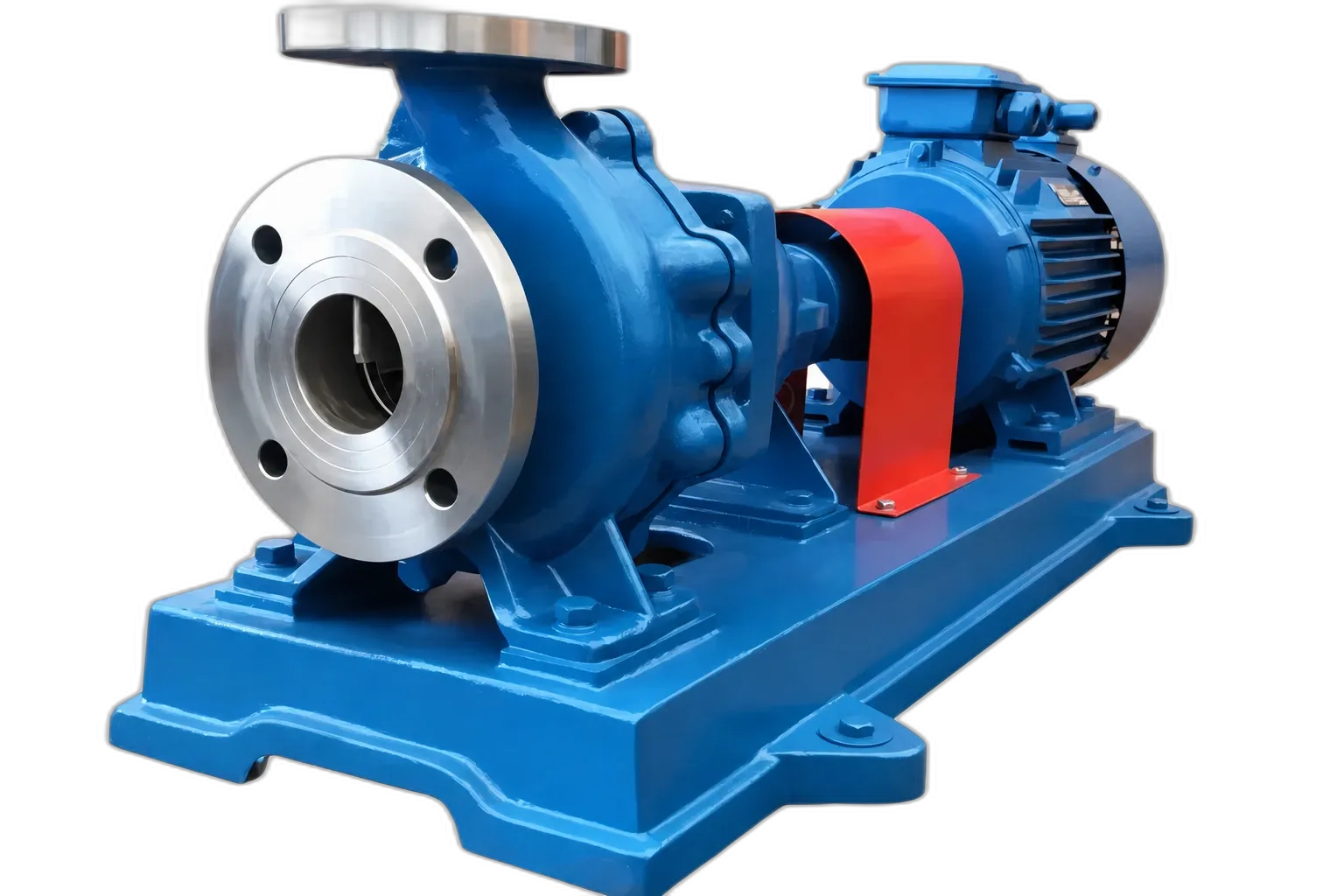
Chemical Process Pumps
Process centrifugal pumps for corrosive and industrial liquids, with materials and seals chosen for the medium.
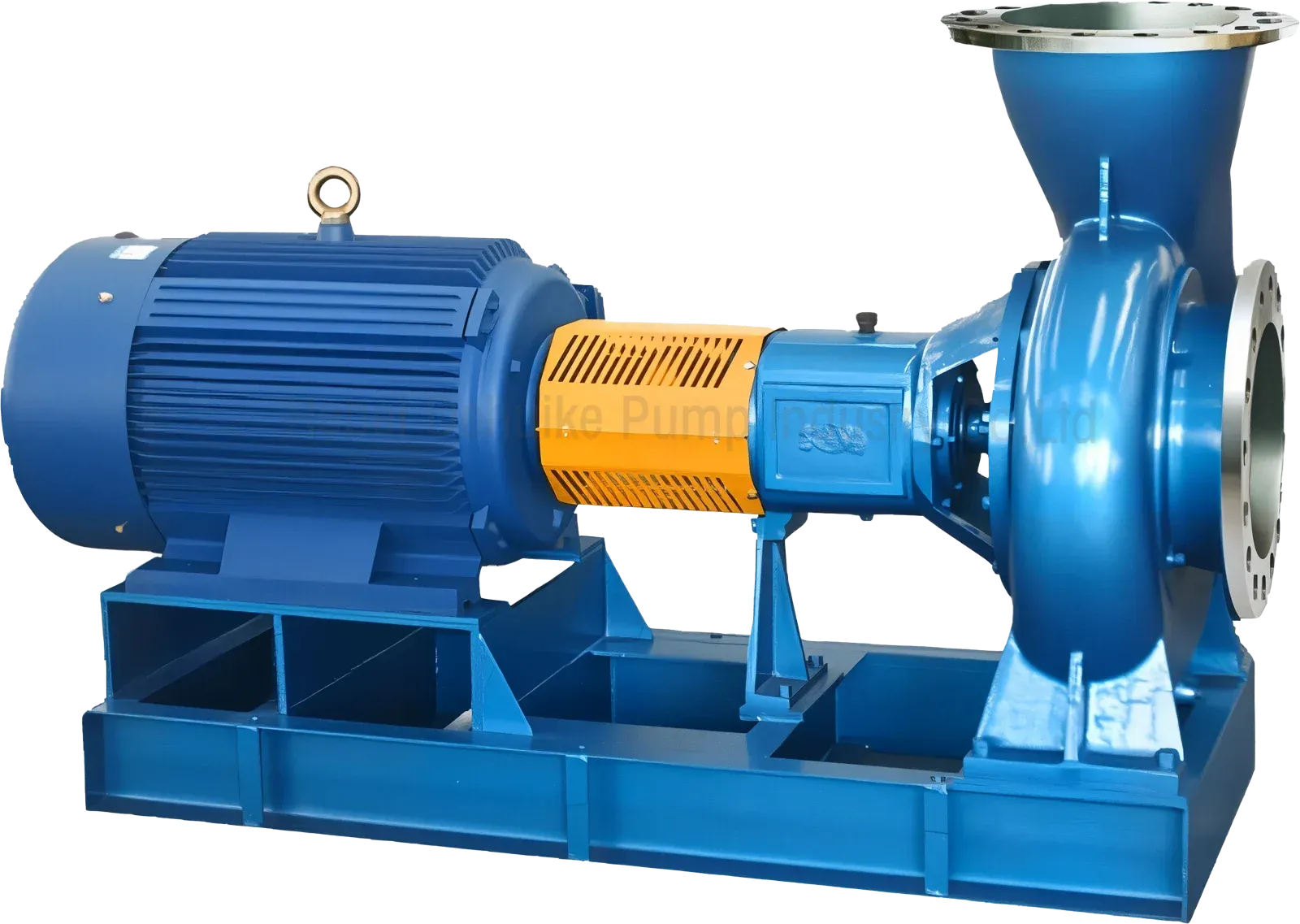
Pulp Pumps
Pumps for pulp and paper stock, selected by fibre content, consistency and temperature.
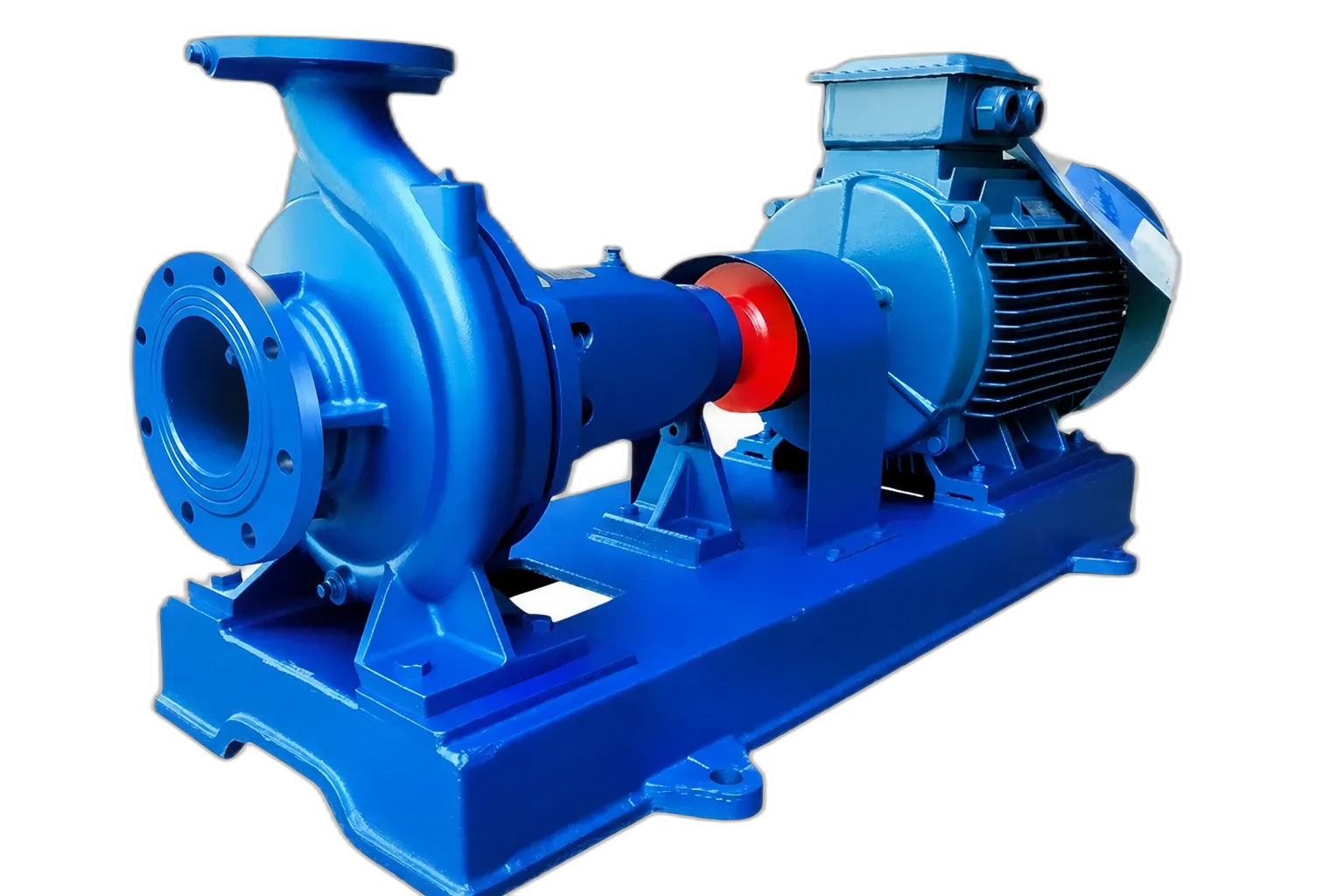
End Suction Centrifugal Pumps
Single-stage clear-water pumps, supplied as a bare pump or as a complete set with motor.
Request a quote for gear & screw pumps
Send the liquid, its viscosity and temperature, and the flow and pressure.
- Flow rate
- Total head
- Pumped medium
- Solids concentration
- Particle size
- Materials & wear resistance
- Operating conditions
Prefer email or WhatsApp?sales@kunyuemech.comWhatsApp +86 182 4452 6981
Send your inquiry
Tell us about the duty. Technical details are optional.
Inquiry received
We will reply by email. For a quicker conversation, message us on WhatsApp.
Message us on WhatsApp