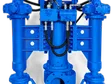
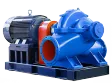
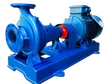
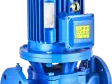

Gravel Pumps
Installed on land in aggregate plants, sand washing, tunnelling and mining, moving coarse solids that would block a standard slurry pump.
- Series
- G, and GH for higher head
- Supplied as
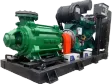
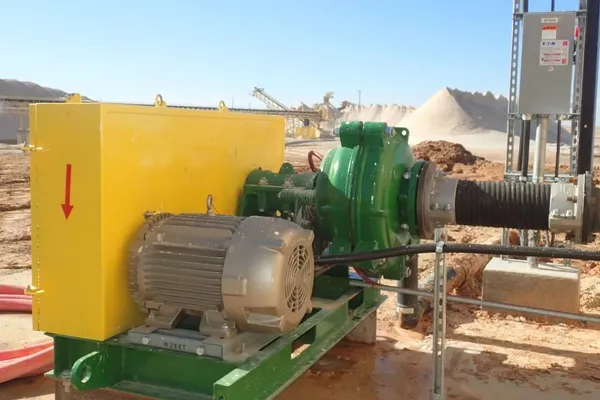
- Bare pump, electric set or diesel set
- Nominal sizes
- 6/4 to 32/28 (suction / discharge, in)
- Drive
- Electric motor or diesel engine
Series
- G seriesHorizontal gravel pumps for general sand and gravel duty, in nominal sizes from 6/4 up to 32/28. Speed, drive, base and pipework are fixed for each pump and set.
- GH seriesThe high-head branch, for longer lines and higher lift. It is a separate design, not a G pump fitted with a larger motor.
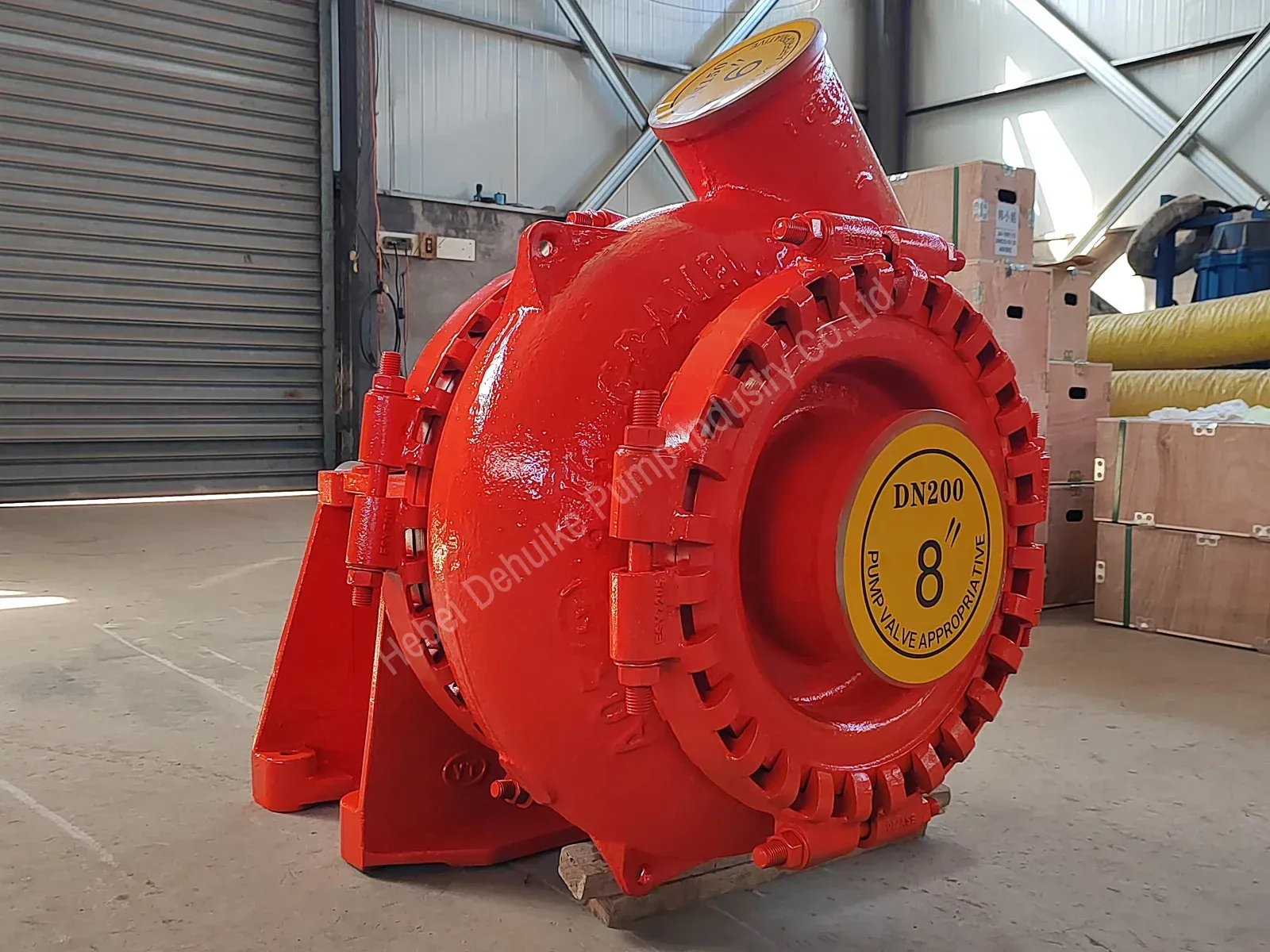
A gravel pump moves sand, gravel and other coarse solids in water. Where a standard slurry pump is built around fine to medium particles, a gravel pump has wider passages and a heavier wet end so that large particles pass through without blocking it.
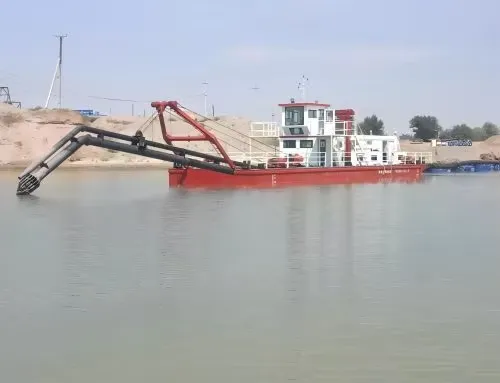
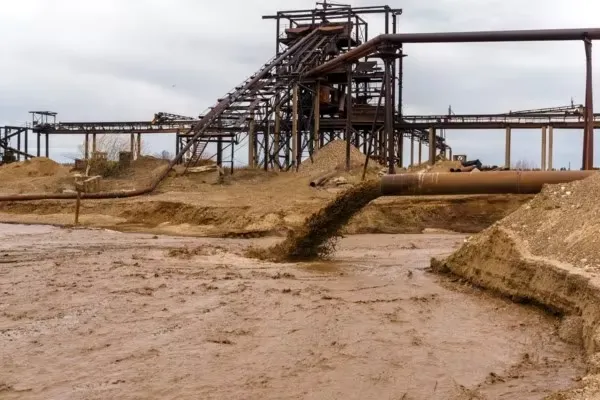
Gravel pumps are installed on land, on a plant floor or skid beside the process: aggregate and sand washing plants, tunnelling, mining and other sites with coarse, abrasive material. They are also used for sand mining and dredging, on the bank or on a dredger or pontoon. Their size is set by the largest particle they have to pass and by how fast the material wears the pump.
Typical duties
- Aggregate plants
- Sand washing
- Tunnelling spoil
- Coarse mine slurry
- Sand mining and dredging
Supply forms
The same pump head is supplied three ways. The right one depends on the power at the site and on who provides the base, drive and pipework.
- 01
Bare pump head
The pump head on its bracket, for fitting to an existing motor, engine or base.
Choose it when you already have the drive and the base, or build the set yourself.
- 02
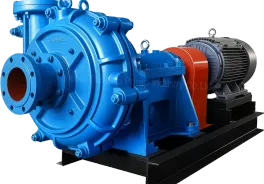
Electric motor set
Pump head, electric motor, transmission, guard and base supplied as one unit.
Choose it when mains power is available at the site.
- 03
Diesel engine set
Pump head, diesel engine, transmission and base. Engine, drive and room for servicing are settled together.
Choose it when there is no mains power, or the set has to work away from the grid.
Why coarse solids need a gravel pump
Particle size sets the minimum passage through the impeller and casing. A pump with passages too small for the largest particle will block; one with passages far larger than needed costs more and runs less efficiently. A gravel pump is chosen to pass the top size of the material with a sensible margin.
Coarse particles also wear the pump differently from fine slurry. They strike the impeller and casing instead of scouring them, so impact resistance matters as much as hardness, and the wet end is made thicker to allow for wear.
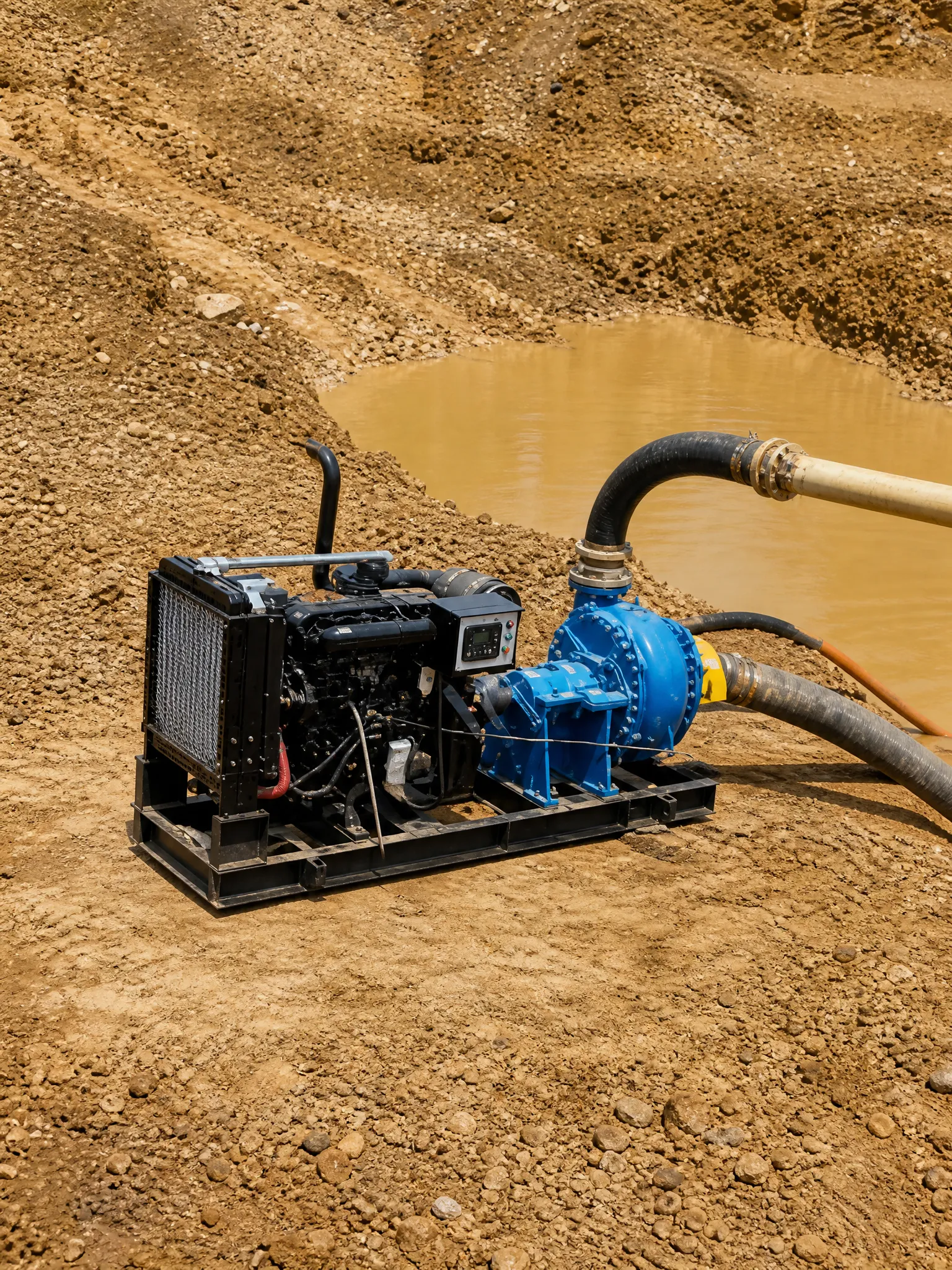
Gravel pump construction
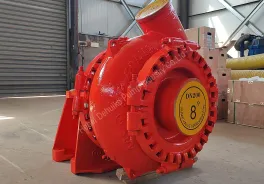
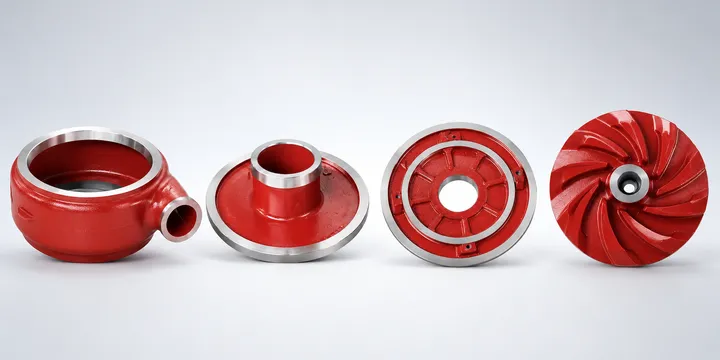
The pump head is built from a few heavy parts: casing, impeller, cover plate, back liner, bearing assembly, bracket, stuffing box and shaft. The wear parts are replaced as they wear, while the casing stays in service.
- Wide-passage impellerFew, thick vanes leave room for large particles to pass through.
- Heavy-section casingThick walls in wear-resistant alloy allow for impact wear from gravel and stones.
- Replaceable wear partsImpeller, liners and suction side parts are changed as they wear, keeping the main casing in service.
- Sealing and driveGland or expeller sealing and direct, belt or gearbox drive, selected to the duty and site.
Choosing a gravel pump
- Largest particle
- The top size the pump must pass; this sets the passage size
- Grading
- The spread of particle sizes, from fines to the largest stones
- Solids concentration
- How much solid material is carried per volume of water
- Flow and head
- Volume to move and the height and distance to move it
- Wet-end material
- Wear-resistant alloy chosen for both abrasion and impact
- Site conditions
- Space, power supply and how the pump will be maintained
- Series
- G for general duty; GH where the line needs higher head
- Supply form and drive
- Bare pump head, electric set or diesel set, and the power available on site
Typical gravel pump duties
Aggregate and sand washing
Transferring sand and gravel between screens, washers and classifiers.
Sand handling applicationsTunnelling
Pumping spoil from slurry shield tunnelling machines to the separation plant.
Mining
Coarse slurry duties where particle size exceeds what a standard slurry pump can pass.
Mining applicationsSand mining and dredging
Lifting sand and gravel from rivers, lakes and pits to a plant or stockpile, with the pump on the bank or on a dredger or pontoon.
From the works
- Casing machining
- Complete set, wrapped for transport
- Loaded in a container
Frequently asked questions
What is the difference between a gravel pump and a slurry pump?
A gravel pump is built to pass larger particles, with wider passages and a heavier wet end. A slurry pump is usually more efficient on fine to medium solids. Particle size is the main deciding factor.
Is a gravel pump the same as a sand pump?
In industry, sand and gravel are often pumped with the same type of pump. Note that "sand pump" can also refer to small pool filter pumps, which are a different product.
What information do you need to quote a gravel pump?
The largest particle size and the grading, solids concentration, flow rate, total head and the site conditions. A sieve analysis of the material is the most useful single document.
What is the difference between the G and GH series?
GH is the high-head series. Choose by the head the line needs: a GH pump is a separate design, and fitting a larger motor to a G pump is not a substitute.
Applications
Sand & Gravel HandlingRelated products
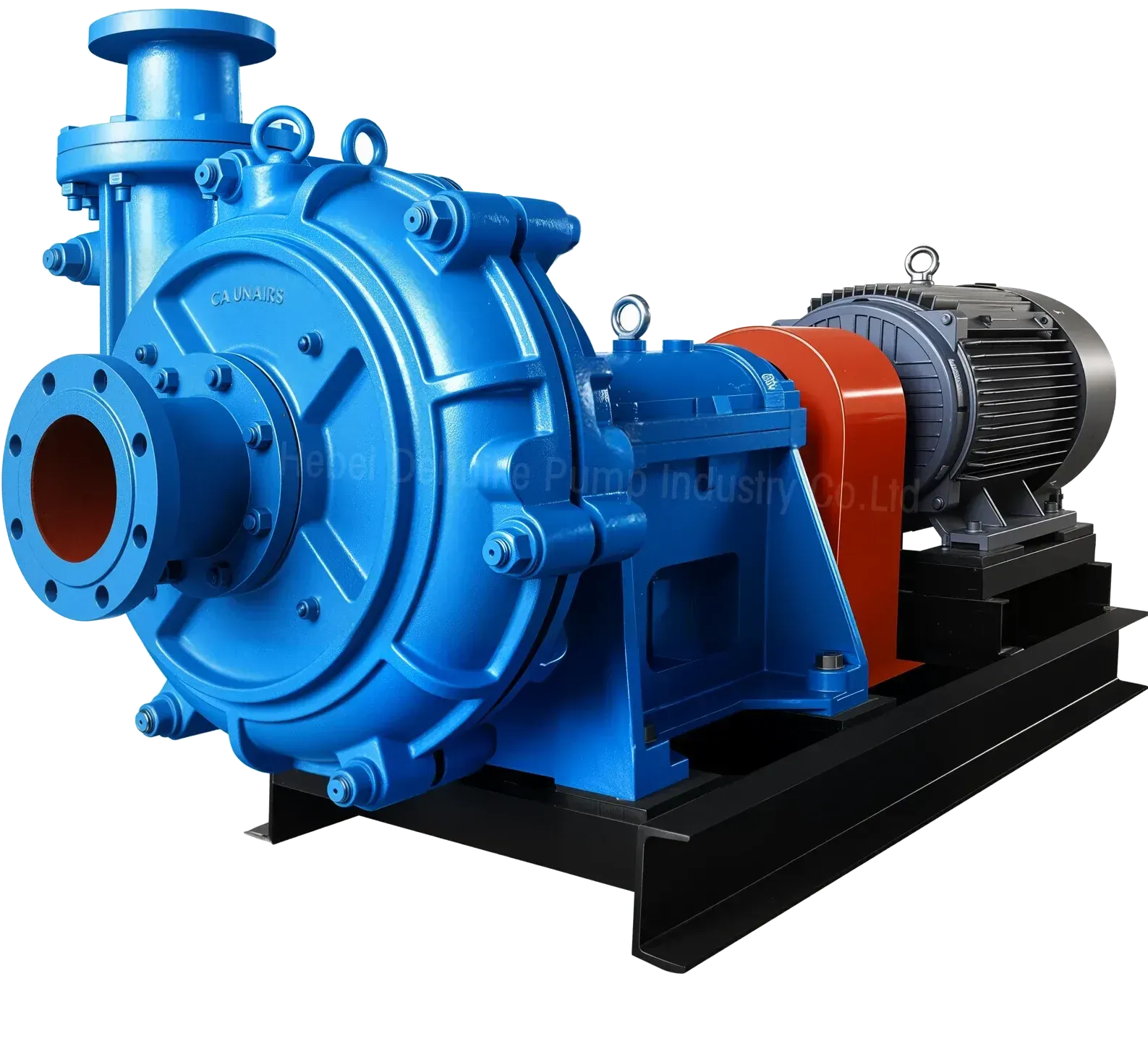
Horizontal Slurry Pumps
Horizontal centrifugal pumps for continuous abrasive service. Heavy frames and thick, replaceable wet-end parts keep them running between planned liner changes.
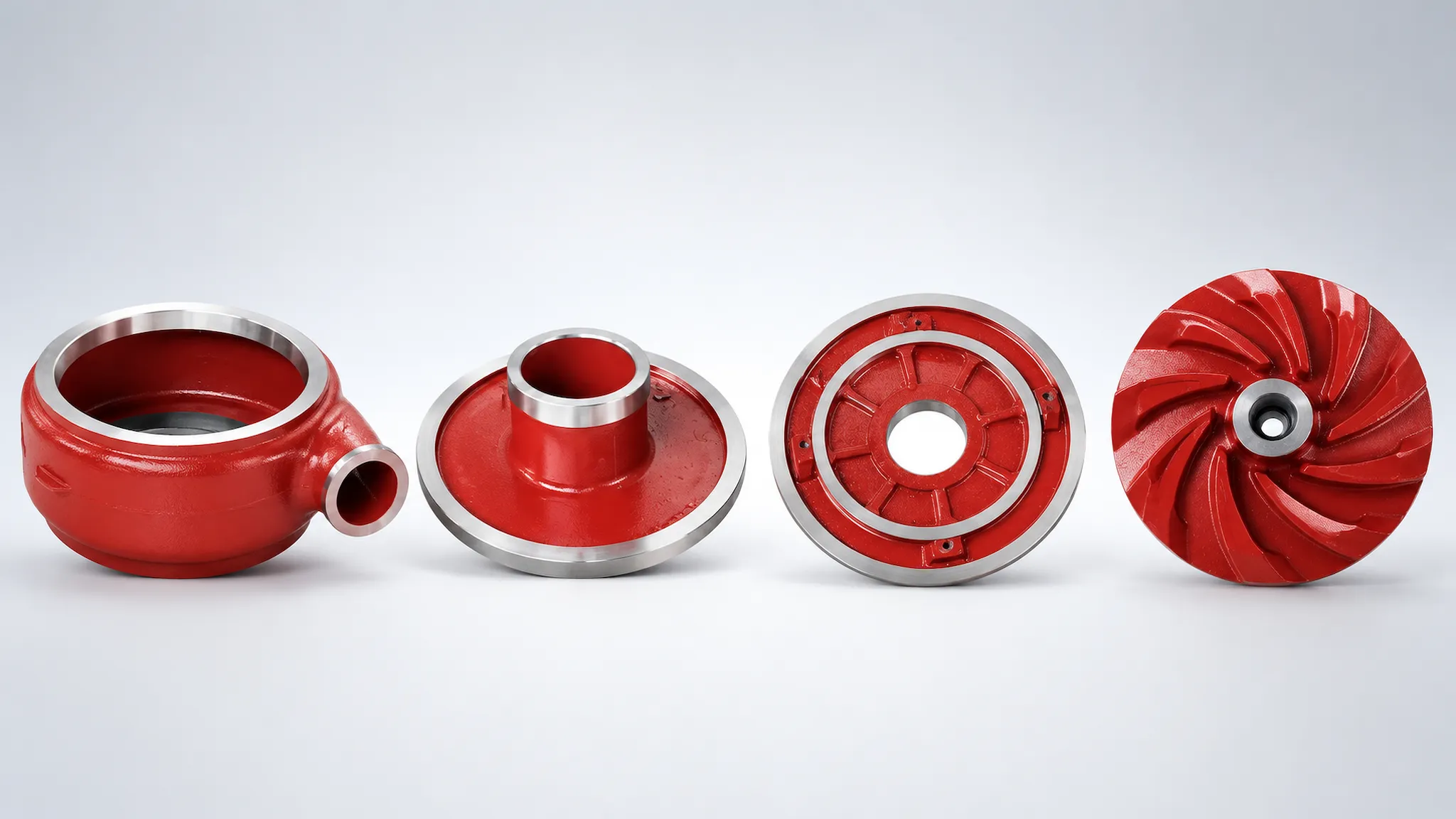
Wear Parts & Spares
Impellers, throat bushes, volute and frame plate liners, plus seals, bearings and couplings: the parts that wear first and decide how long a pump runs between shutdowns.
Request a quote for gravel pumps
Send the largest particle size and grading of your material together with flow and head. A sieve analysis helps most.
- Flow rate
- Total head
- Pumped medium
- Solids concentration
- Particle size
- Materials & wear resistance
- Operating conditions
Prefer email or WhatsApp?sales@kunyuemech.comWhatsApp +86 182 4452 6981
Send your inquiry
Tell us about the duty. Technical details are optional.
Inquiry received
We will reply by email. For a quicker conversation, message us on WhatsApp.
Message us on WhatsApp