
Horizontal Slurry Pumps
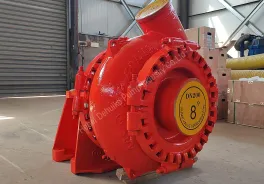
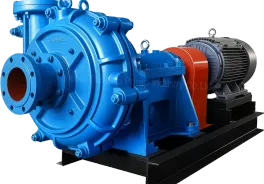
Horizontal centrifugal pumps for continuous abrasive service. Heavy frames and thick, replaceable wet-end parts keep them running between planned liner changes.
- Layout
- Horizontal, end suction
- Supplied as
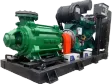
- Electric set, diesel set or trailer set
- Wet end
- Hard-metal alloy or rubber
- Series
- ZJ, ZGB(P), HH + 4 more
Series
- ZJ
- ZGB(P)
- HH
- M
- H
- HP
- SH
A slurry pump moves a mixture of liquid and solid particles. Compared with a clean-water pump it has a larger, thicker impeller, wider passages and a casing lined with replaceable wear parts, because the solids grind away every surface they touch.
Our heavy-duty slurry pumps are horizontal, end-suction centrifugal pumps for continuous abrasive service: mineral processing circuits, tailings lines and other plants that move dense slurry around the clock. The aim is predictable wear, with thick wet-end parts that are changed at planned shutdowns instead of failing between them.
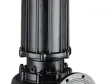
For sumps, pits and ponds where the pump has to work below the slurry surface, we also supply submersible slurry pumps.
Typical duties
- Mill discharge
- Cyclone feed
- Tailings transfer
- Thickener underflow
Supply forms
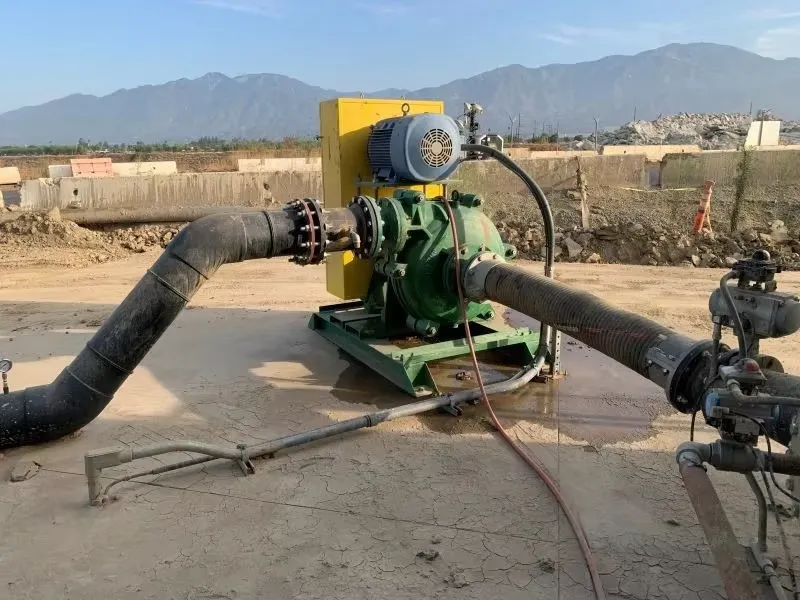
The pump head is supplied with the drive that suits the site: an electric motor, a diesel engine, or a diesel engine on a trailer that moves between sites.
- 01
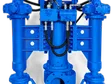
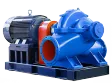
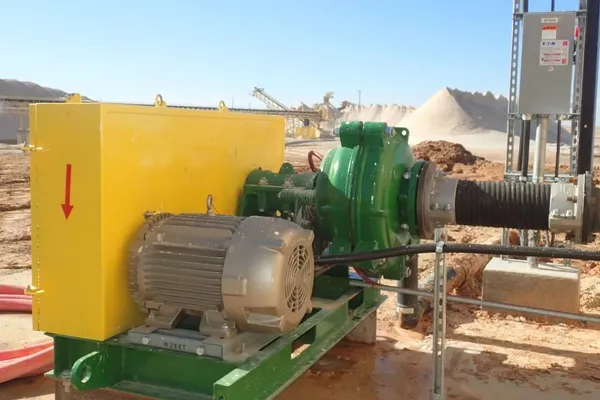
Electric set, coupled
Pump head and electric motor on a common base, joined by a coupling.
Choose it when the plant has mains power and the pump stands on a fixed base.
- 02
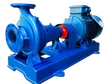
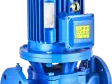
Electric set, motor above the pump
Motor mounted above the pump head, driving it through a belt.
Choose it when the belt ratio has to set the pump speed, or floor space is short.
- 03
Diesel engine set
Pump head driven by a diesel engine on a steel base with a control panel.
Choose it when there is no mains power on site.
- 04
Trailer set
A diesel-driven set on a wheeled trailer, for moving between sites.
Choose it when the pump has to move from site to site.
How a centrifugal slurry pump works
Slurry enters the eye of the impeller through the suction, is thrown outward by the vanes and leaves through the volute casing at higher pressure. The principle is the same as any centrifugal pump. The difference is in how the pump is built to survive the solids.
Wear rises steeply with velocity, so a slurry pump is normally selected to run slower than a water pump on the same duty, with a larger impeller doing the work. Solids also lower head and efficiency compared with water, so the duty point is corrected for slurry density, particle size and concentration during selection.
Large, thick impeller
Fewer, heavier vanes and wide passages let particles through and leave more metal or rubber to wear.
Replaceable liners
The wet end is lined with parts that take the abrasion, so the outer casing stays in service.
Lower running speed
Keeping speed down keeps velocity, and therefore wear, down inside the pump.
Adjustable clearance
On heavy-duty designs the gap at the suction side can be closed up as parts wear, holding performance between liner changes.
Inside a heavy-duty slurry pump
Most of the parts that matter for running cost sit in the wet end. Knowing which part wears first helps plan spares and shutdowns.
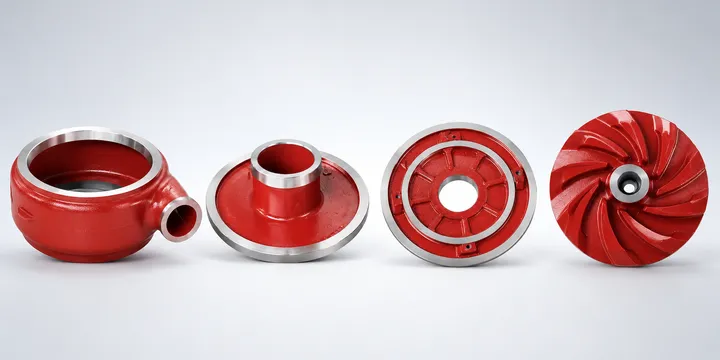
- ImpellerThe main wear part. Closed impellers are usual for efficiency; open designs suit coarse or stringy solids.
- Throat bushFaces the impeller at the suction side, where fast, fine slurry often shows wear first.
- Volute and frame plate linersLine the casing and take the abrasion of solids circulating around the impeller.
- Shaft sealGland packing with flush water, or an expeller seal where clean flush water is short on site.
- Bearing assembly and frameA heavy shaft and bearings carry the radial loads of dense slurry; the frame supports the wet end.
- DriveDirect coupling, V-belts or a gearbox, chosen by the speed the duty point calls for.
Choosing a slurry pump
Selection works back from the slurry and the duty. These are the factors that change the pump size, speed and materials.
- Wet-end material
- Hard-metal alloy for coarse, sharp solids; rubber for fine slurry. Particle size, shape and slurry chemistry decide between them.
- Particle size
- The largest particle sets the minimum passage through the pump; typical and top size together guide the material.
- Slurry density
- Corrects head and power from water performance and affects the speed the pump must run at.
- Shaft sealing
- Gland packing or expeller seal, depending on the gland water available on site.
- Drive
- Direct, belt or gearbox, set by the duty point and speed.
- Duty cycle
- Continuous mill duty and intermittent sump duty call for different speed and wear margins.
Typical slurry pump duties
Mill discharge
Coarse, dense slurry leaving grinding mills, often the hardest duty in the circuit.
Mining applicationsCyclone feed
Steady flow and pressure to classifying cyclones, where wear changes the cut size.
Mining applicationsTailings transfer
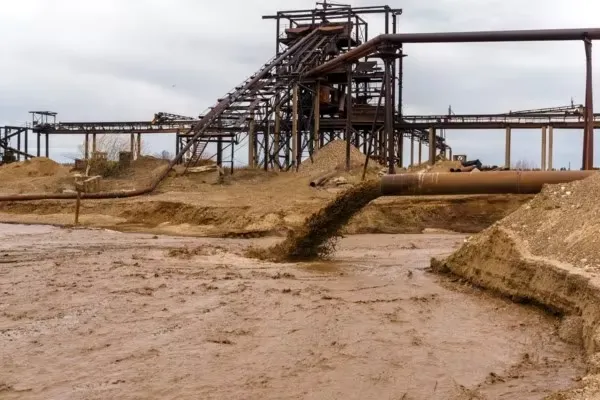
Fine slurry over long pipelines to the tailings facility, sometimes in several pumps in series.
Mining applicationsThickener underflow
High-density, slow-moving slurry drawn from the base of thickeners.
From the works
- Impeller machining
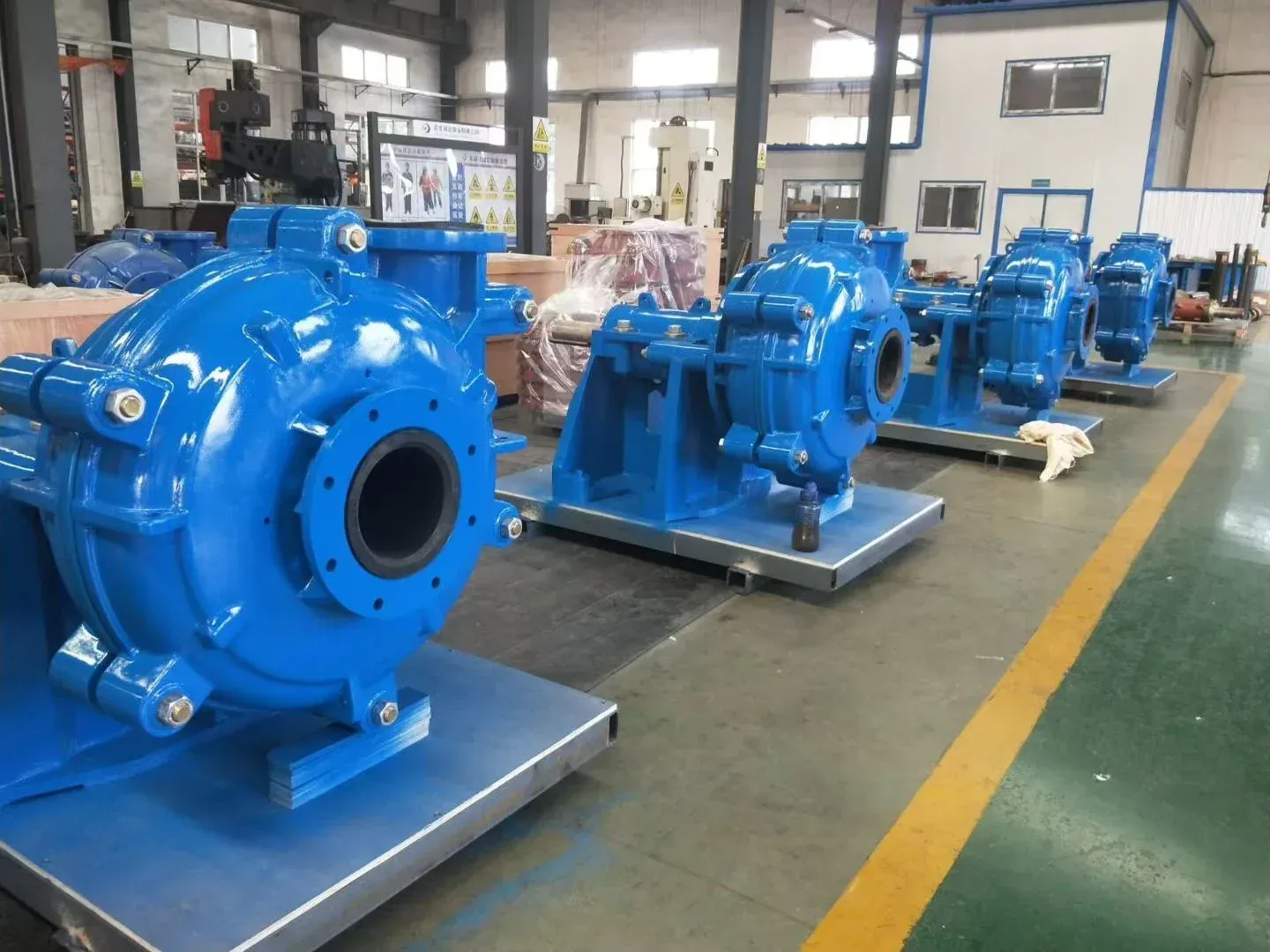
- Assembly floor
- Pump heads on pallets
Frequently asked questions
What is the difference between a slurry pump and a water pump?
Both are centrifugal pumps, but a slurry pump has a heavier impeller with wider passages, thick replaceable liners in the wet end and runs at lower speed. A water pump on slurry duty would lose its impeller and casing quickly.
Should I choose a rubber or a metal wet end?
Rubber usually lasts longer on fine slurry with small, rounded particles. Hard-metal alloy is the choice for coarse or sharp solids, and where oils, solvents or high temperature would attack rubber. Particle size data and slurry chemistry settle the choice.
How long do slurry pump wear parts last?
It depends on particle size and hardness, slurry density, pump speed and how close the pump runs to its best efficiency point. Recording the hours between changes on your duty is the most reliable guide for planning spares.
Do you supply submersible slurry pumps?
Yes. Submersible slurry pumps work below the slurry surface in sumps, pits and ponds, where a horizontal pump would need a suction line. Send the depth, slurry density and particle size and we will advise which type fits.
Do you supply replacement wear parts?
Yes. Impellers, throat bushes, volute liners and frame plate liners are covered on our wear parts page. Send the pump size and wet-end material you run with your inquiry.
What do you need to quote a slurry pump?
Flow rate, total head, slurry density or solids concentration, particle size, and the operating conditions on site. Partial data is fine; we will ask for what is missing.
Applications
Mining & Mineral ProcessingRelated products
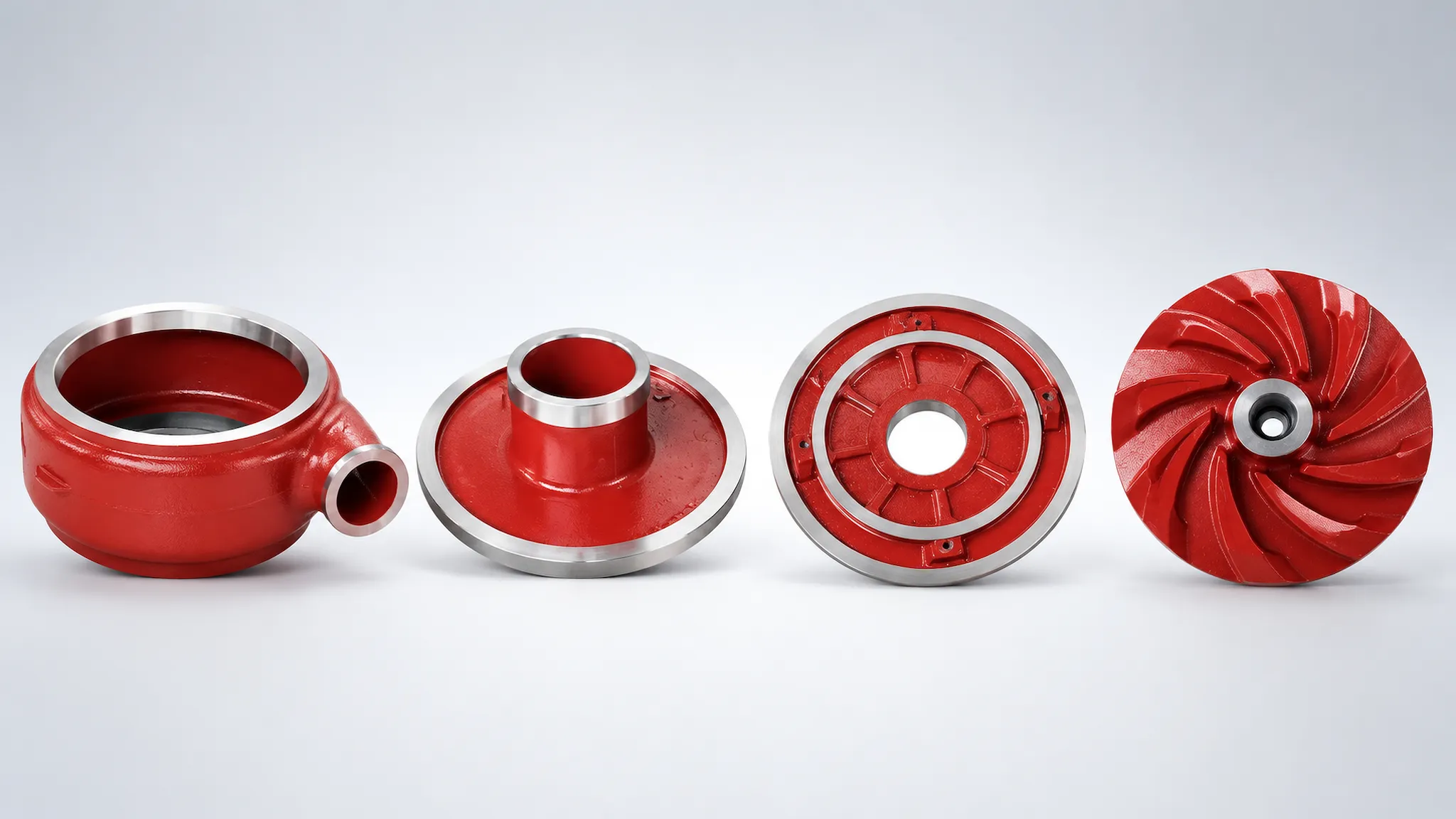
Wear Parts & Spares
Impellers, throat bushes, volute and frame plate liners, plus seals, bearings and couplings: the parts that wear first and decide how long a pump runs between shutdowns.
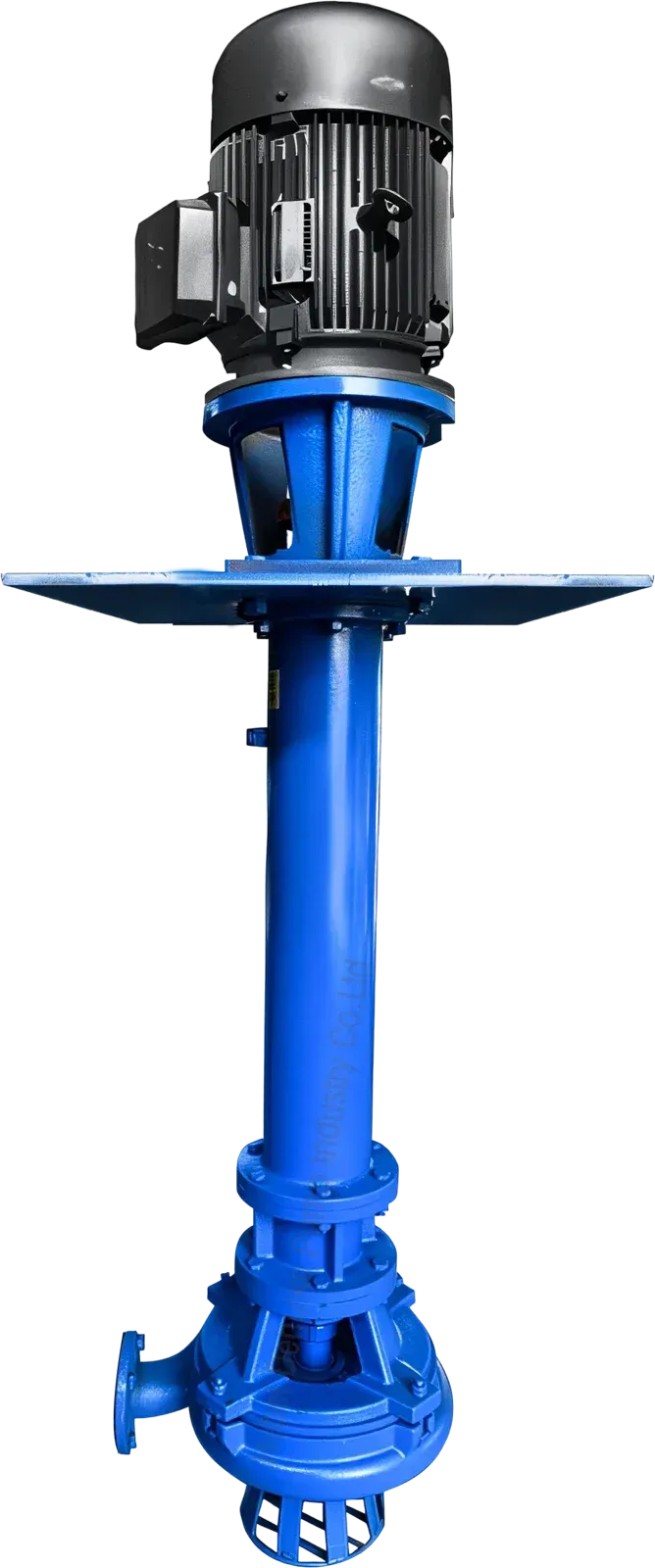
Vertical Sump Slurry Pumps
Vertical pumps installed in a tank or sump, with the wet end below the liquid level.
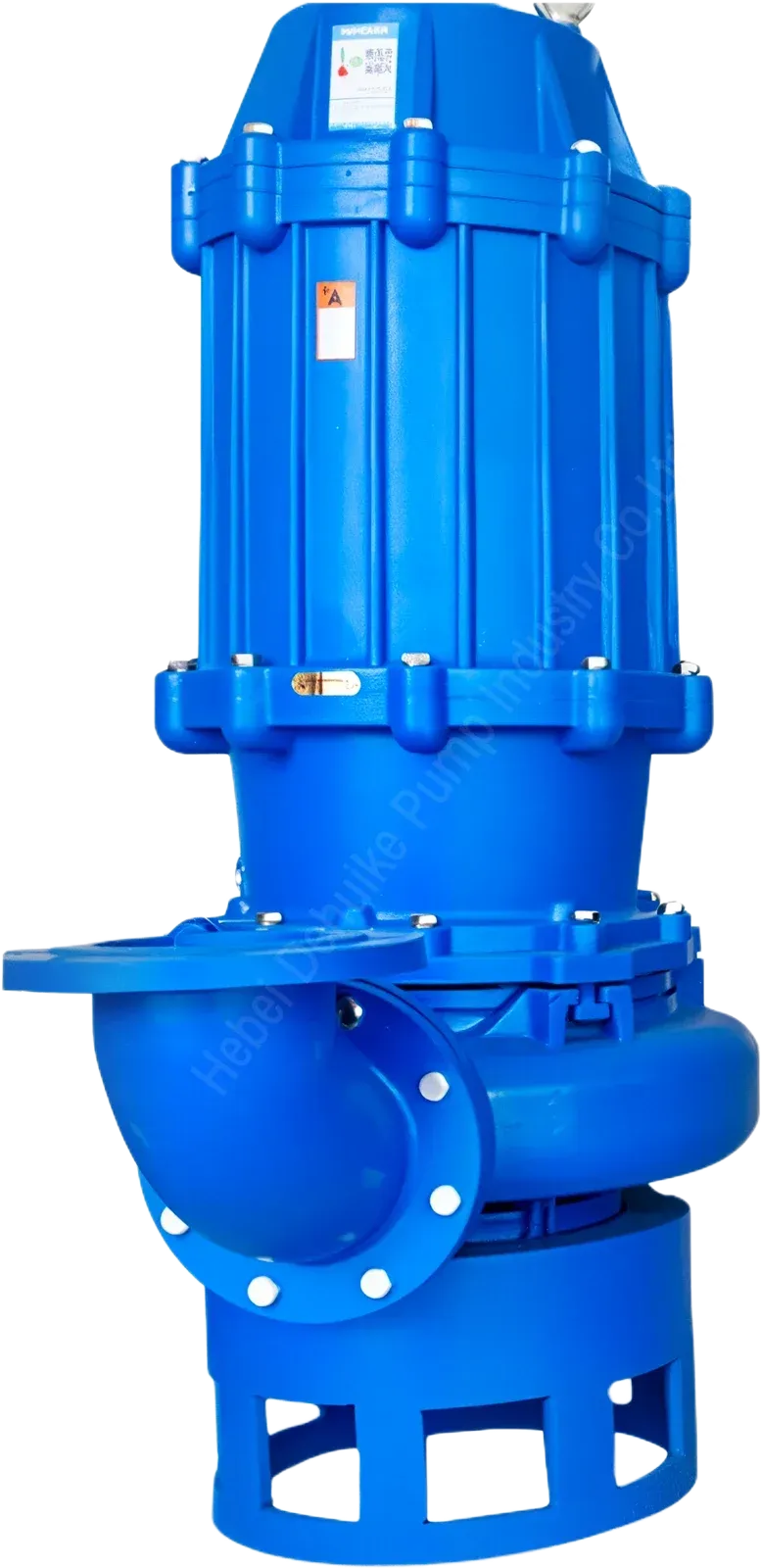
Submersible Slurry Pumps
Electric submersible pumps for slurry, with side or bottom agitator options for settled solids.
Request a quote for horizontal slurry pumps
Send what you know about the slurry and the duty. Density, particle size and flow are the most useful starting points.
- Flow rate
- Total head
- Pumped medium
- Solids concentration
- Particle size
- Materials & wear resistance
- Operating conditions
Prefer email or WhatsApp?sales@kunyuemech.comWhatsApp +86 182 4452 6981
Send your inquiry
Tell us about the duty. Technical details are optional.
Inquiry received
We will reply by email. For a quicker conversation, message us on WhatsApp.
Message us on WhatsApp