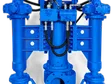
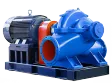
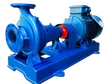
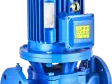
Self-Priming Pumps
Pumps that prime themselves and lift liquid from below pump level, for intake, transfer and wastewater.
- Priming
- Self-priming after the first fill
- First fill
- Liquid in the casing before the first start
- Supplied as
- Electric, diesel or trailer set
- Series
- ZX, ZW
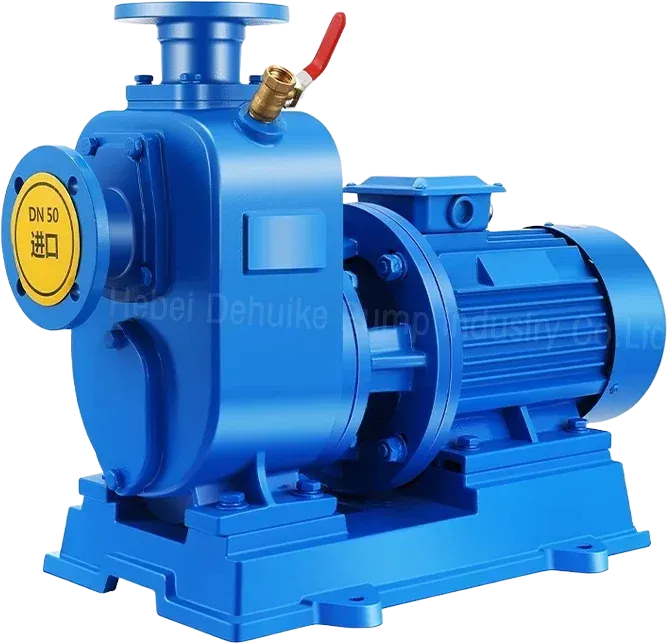
Series
- ZX
- ZW
A self-priming pump can lift liquid from below its own level without a foot valve. After the casing has been filled with liquid once, the pump clears the air from the suction line by itself each time it starts.
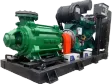
That makes it practical for intake from tanks, ponds and trenches, and for mobile pumping on a trailer. The pump is supplied as an electric set, a diesel set on a base, or a diesel set on a trailer.
Typical duties
- Intake from ponds and tanks
- Mobile pumping
- Transfer
- Drainage
Supply forms
The pump is supplied with the drive that suits the site, and can be mounted on a trailer.
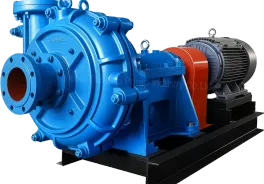
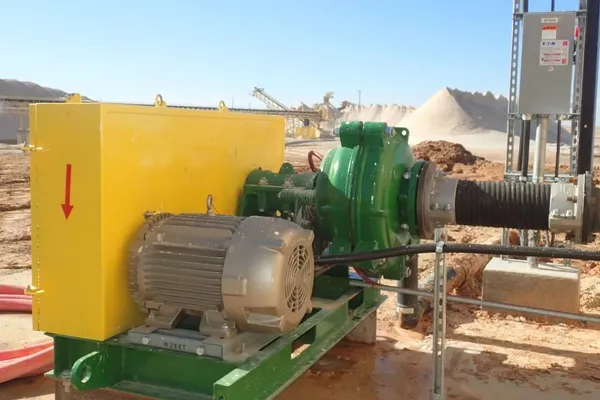
Electric set
Pump and electric motor on a common baseplate.
Drive: Electric motor
Choose it when mains power is available at the site.
Diesel engine set
Pump driven by a diesel engine on a skid.
Drive: Diesel engine
Choose it when there is no mains power at the site.
Trailer set
A diesel-driven set on a wheeled trailer.
Drive: Diesel engine, on a trailer
Choose it when the pump has to move to where the water is needed.
Pump head
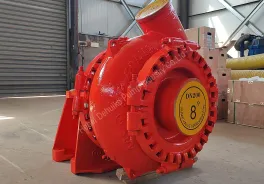
The pump on its own, without a motor or an engine.
Drive: None; you fit your own
Choose it when you already have a motor or engine and a base, or build the set yourself.
How a self-priming pump works
The casing is built to hold liquid after the pump stops. When the pump starts, the liquid in the casing is mixed with the air from the suction line and thrown out; the air escapes and the pump lifts liquid in behind it until the suction line is full.
The pump still needs liquid in the casing for the first start, and its suction lift has limits that depend on the model. Both are set for each pump and have to be checked against the site.
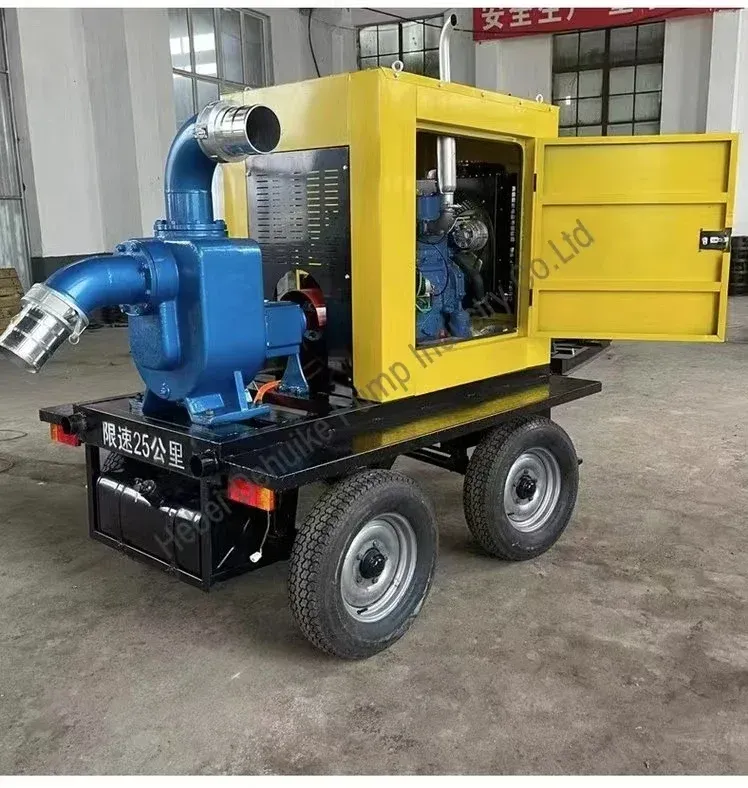
Construction
- Casing with a liquid reserveHolds liquid after the pump stops so that it can prime itself again.
- Liquid filling holeUsed to fill the casing before the first start.
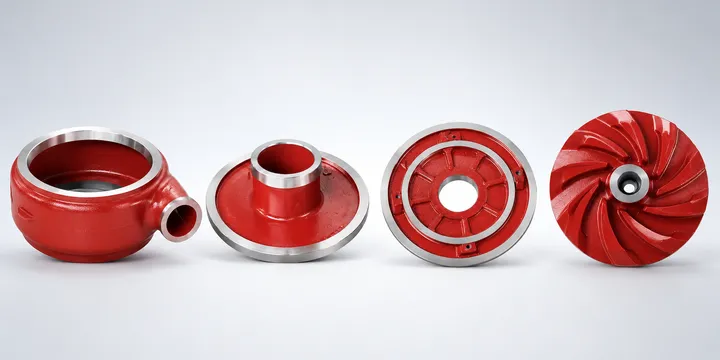
- Impeller and sealing ringThe impeller lifts the liquid; a sealing ring keeps the clearance at the inlet.
- Mechanical seal and bearingClose the casing where the shaft leaves it and carry the shaft.
Compare with other water pumps
All of these pump clean water. They differ in the flow they pass, the head they build and where they are installed. The duty point of the system decides between them.
| Pump | Flow | Head | Best known for |
|---|---|---|---|
| End Suction Centrifugal Pumps | Moderate | Moderate | General supply, circulation and transfer |
| Inline Pipeline Pumps | Moderate | Moderate | Sitting in the pipeline where space is tight |
| Split Case Double Suction Pumps | Large | Moderate | Long running hours and easy maintenance |
| Horizontal Multistage Pumps | Low to moderate | High | High-head duty such as mine water lift and boiler feed |
| Vertical Multistage Pumps | Low to moderate | High | Pressure boosting on a small floor area |
| Axial & Mixed Flow Pumps | Very large | Low | Drainage, irrigation and flood control |
| Self-Priming PumpsThis page | Moderate | Moderate | Lifting from below pump level without a foot valve |
| Borehole Submersible Pumps | Low to moderate | Moderate to high | Drawing water from wells and boreholes |
A comparison in general terms. Send your duty and we will say which type fits it.
Choosing a self-priming pump
- Flow and head
- The duty point of the system
- Suction lift
- Height of the pump above the liquid, and the length of the suction line
- Liquid
- Clean water, wastewater or other liquids; solids and their size
- First fill
- How the casing will be filled before the first start
- Supply form
- Electric set, diesel set or trailer set
- Power
- Supply voltage, or the engine and fuel available
Typical self-priming pump duties
Intake from ponds and tanks
Lifting liquid from below pump level without a foot valve.
Mobile pumping
Trailer sets that are moved from site to site.
Transfer and drainage
Moving liquid between tanks, trenches and pits.
From the works
- Sets in the workshop
- Trailer sets loaded on trucks
Frequently asked questions
Does a self-priming pump need water in it to start?
Yes, for the first start. The casing has to be filled once. After that the pump primes itself each time, within the suction lift of the model.
How high can the pump lift from below its own level?
The suction lift depends on the model and on the length and size of the suction line. Send the layout and we will check it against the pump.
What do you need to quote a self-priming pump?
Flow and head, the suction lift, the liquid and any solids in it, the supply form and the power available. Partial data is fine; we will ask for what is missing.
Related products
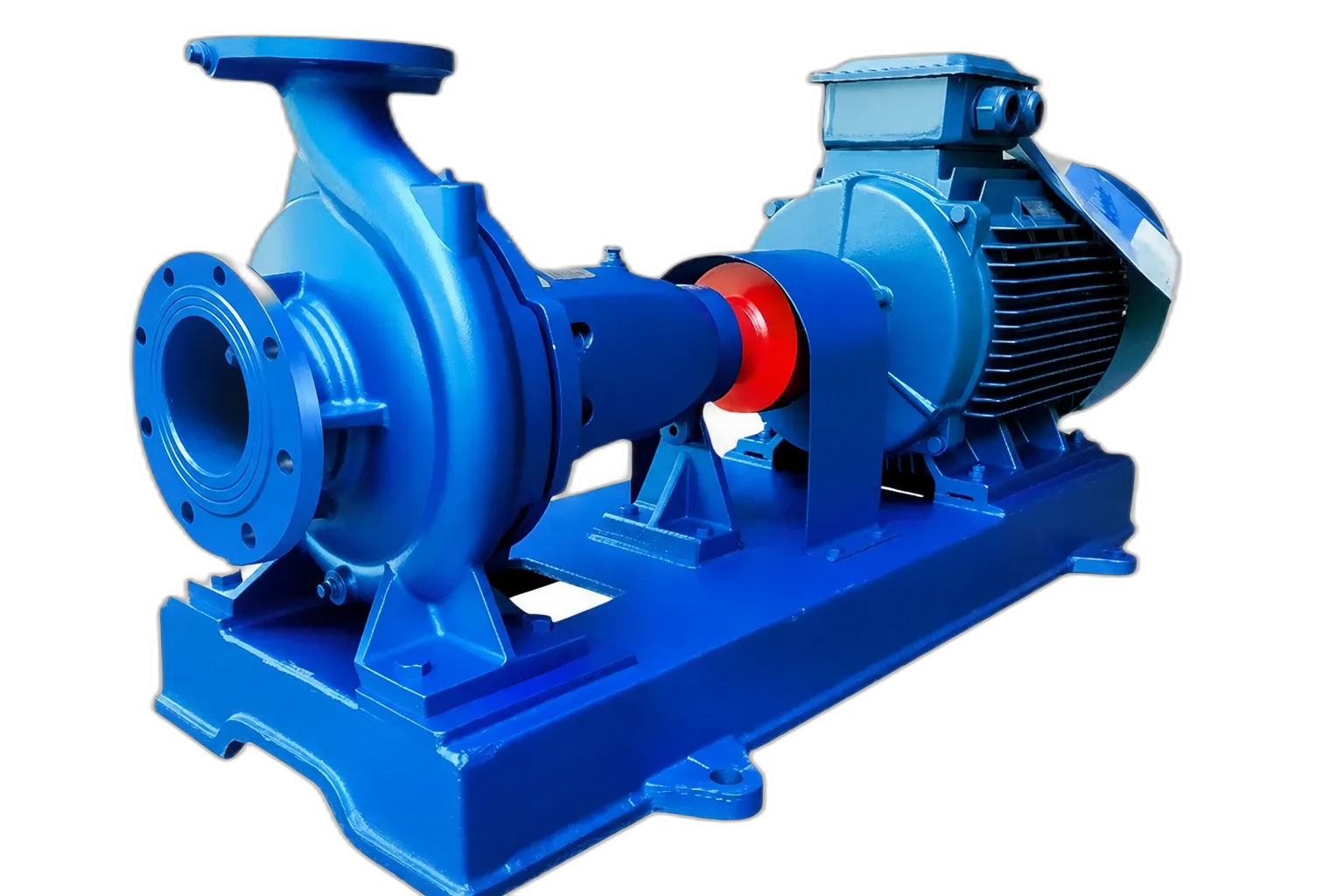
End Suction Centrifugal Pumps
Single-stage clear-water pumps, supplied as a bare pump or as a complete set with motor.
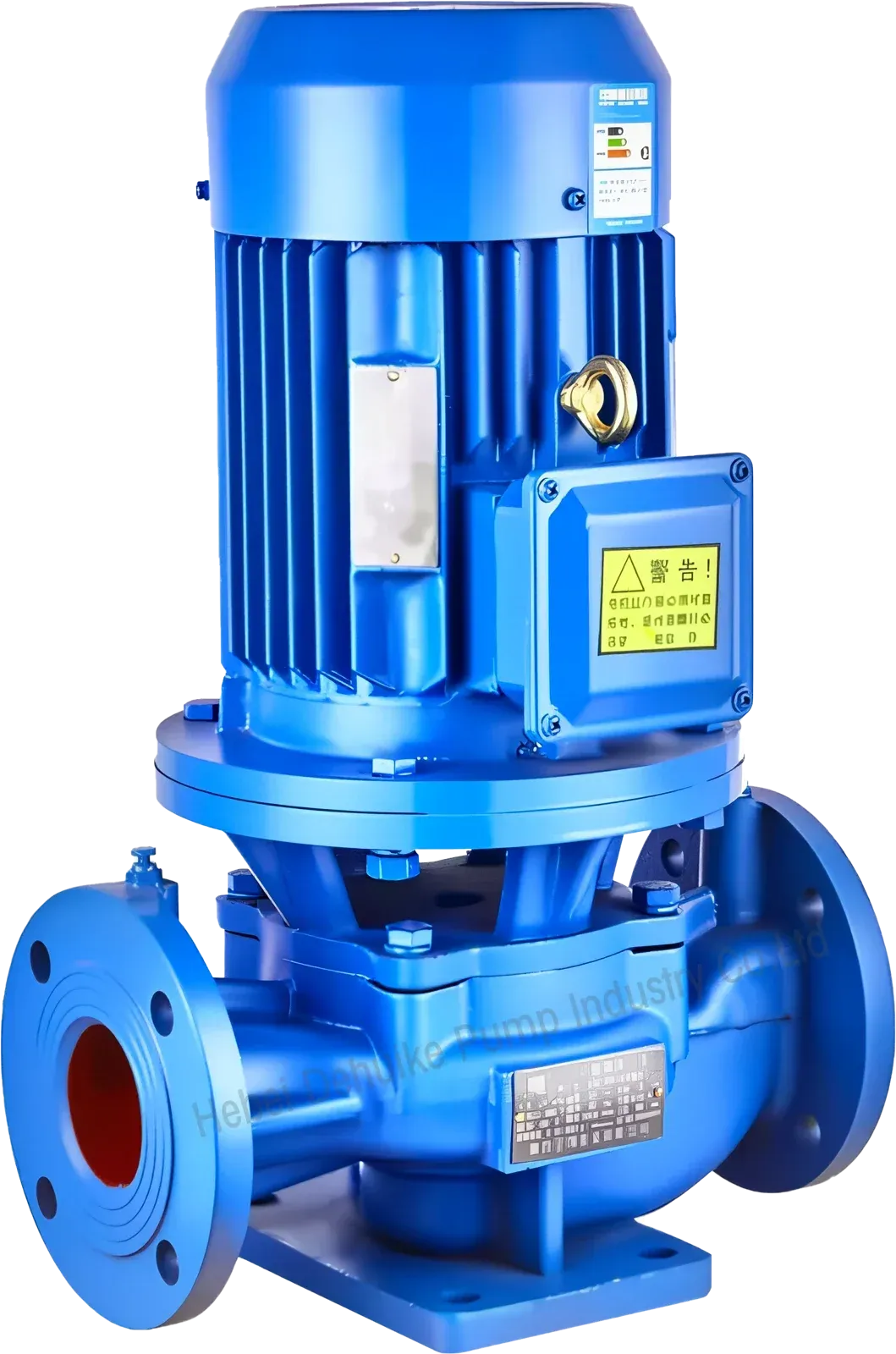
Inline Pipeline Pumps
Vertical or horizontal pumps installed in the pipeline for circulation and boosting where space is tight.
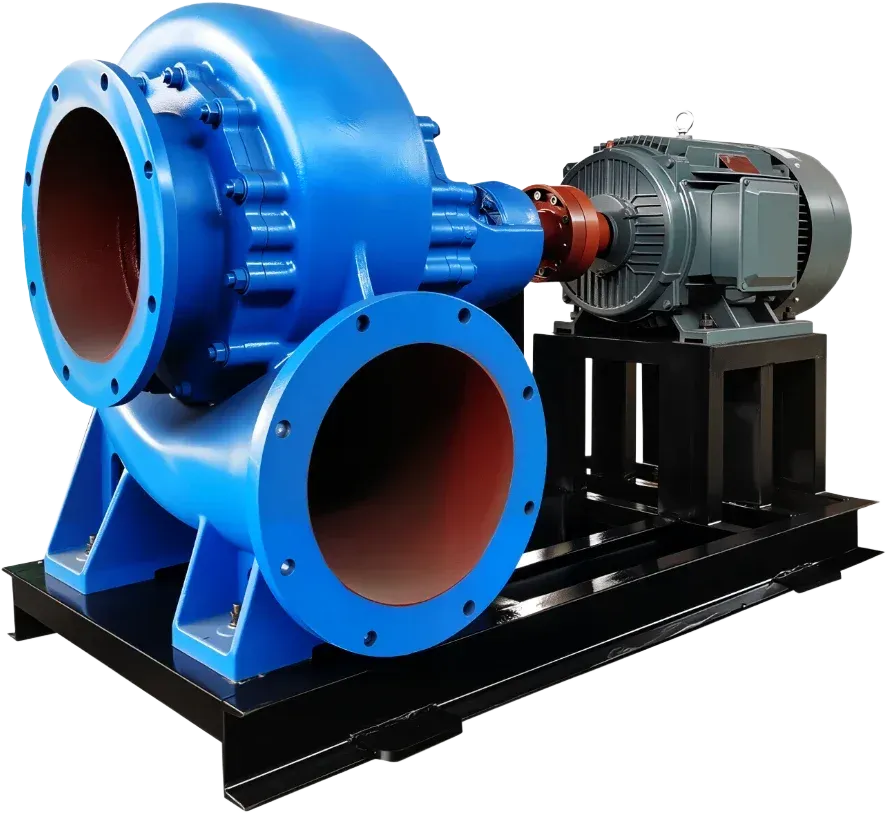
Axial & Mixed Flow Pumps
Large-flow, low-head pumps for drainage, irrigation and flood control, in fixed and mobile arrangements.
Request a quote for self-priming pumps
Send the flow, head, suction lift and the liquid to be pumped.
- Flow rate
- Total head
- Pumped medium
- Solids concentration
- Particle size
- Materials & wear resistance
- Operating conditions
Prefer email or WhatsApp?sales@kunyuemech.comWhatsApp +86 182 4452 6981
Send your inquiry
Tell us about the duty. Technical details are optional.
Inquiry received
We will reply by email. For a quicker conversation, message us on WhatsApp.
Message us on WhatsApp