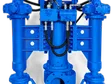
Borehole Submersible Pumps
Submersible pumps with a long, slim body for wells and boreholes, lowered on the rising main.
- Layout
- Slim pump and motor unit, lowered on the rising main
- Drive
- Submersible electric motor, fed by cable
- Series
- QJ and eleven more
Series
- QJ
- SD
- SP
- 6SR
- 6SP
- 4NK
- 3-4SK
- QGD
- 3YS
- 4YS
- 5YS
- 6YS
A borehole submersible pump has a long, slim body that fits inside a well casing. Pump and motor are one unit, lowered on the rising main below the water level; the cable and the pipe run up to the surface.
It draws water from wells and boreholes for supply, irrigation and industrial use. The well diameter, the water level, the length of the pump and the way it is lowered decide which pump fits.
Typical duties
- Wells
- Boreholes
- Irrigation
- Water supply
Appearance and sizes
Borehole pumps come in different diameters and lengths, with the number of stages set by the head.
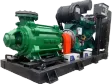
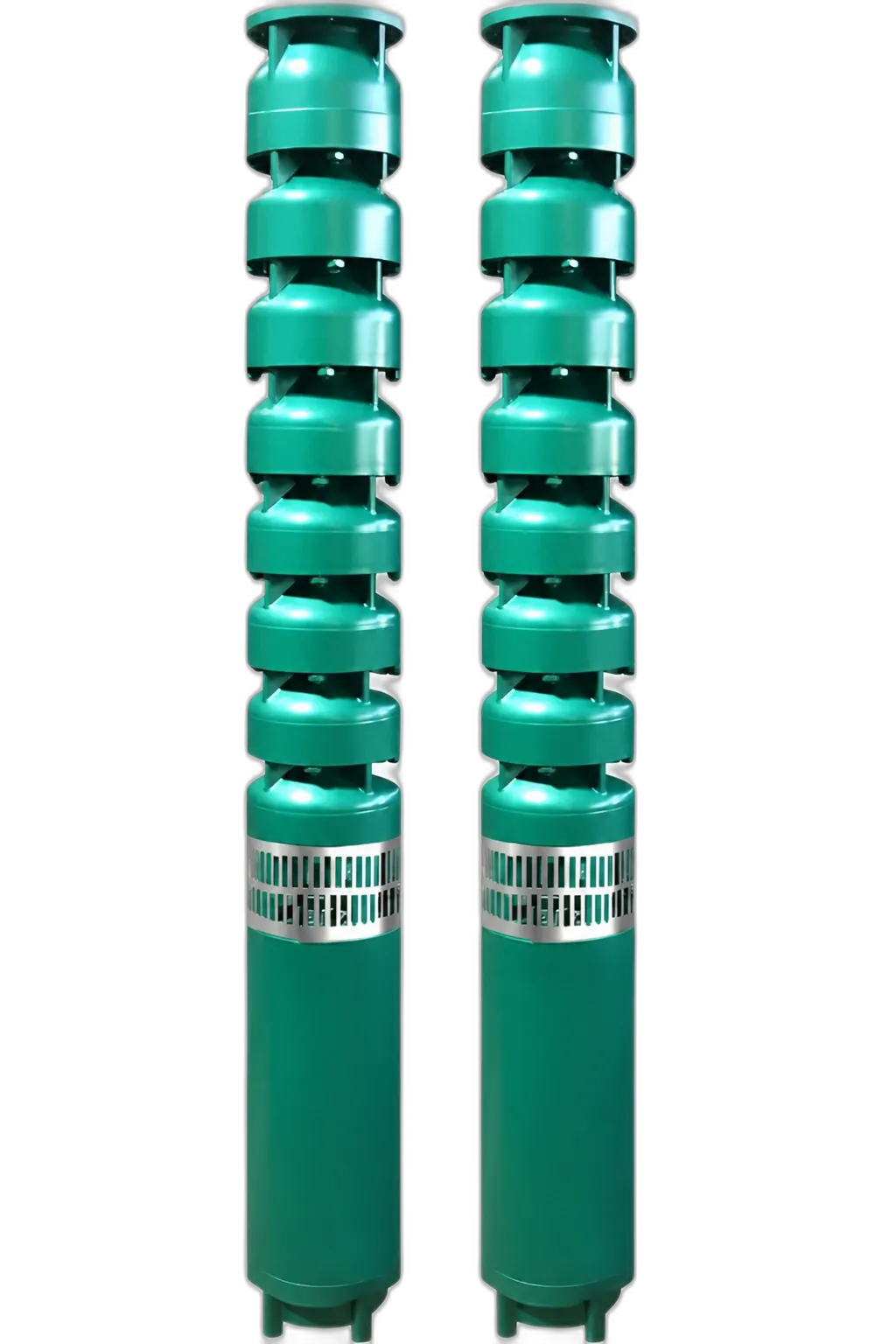
Green multistage pumps
Many stages in a slim housing, with a strainer at the bottom.
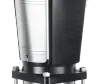
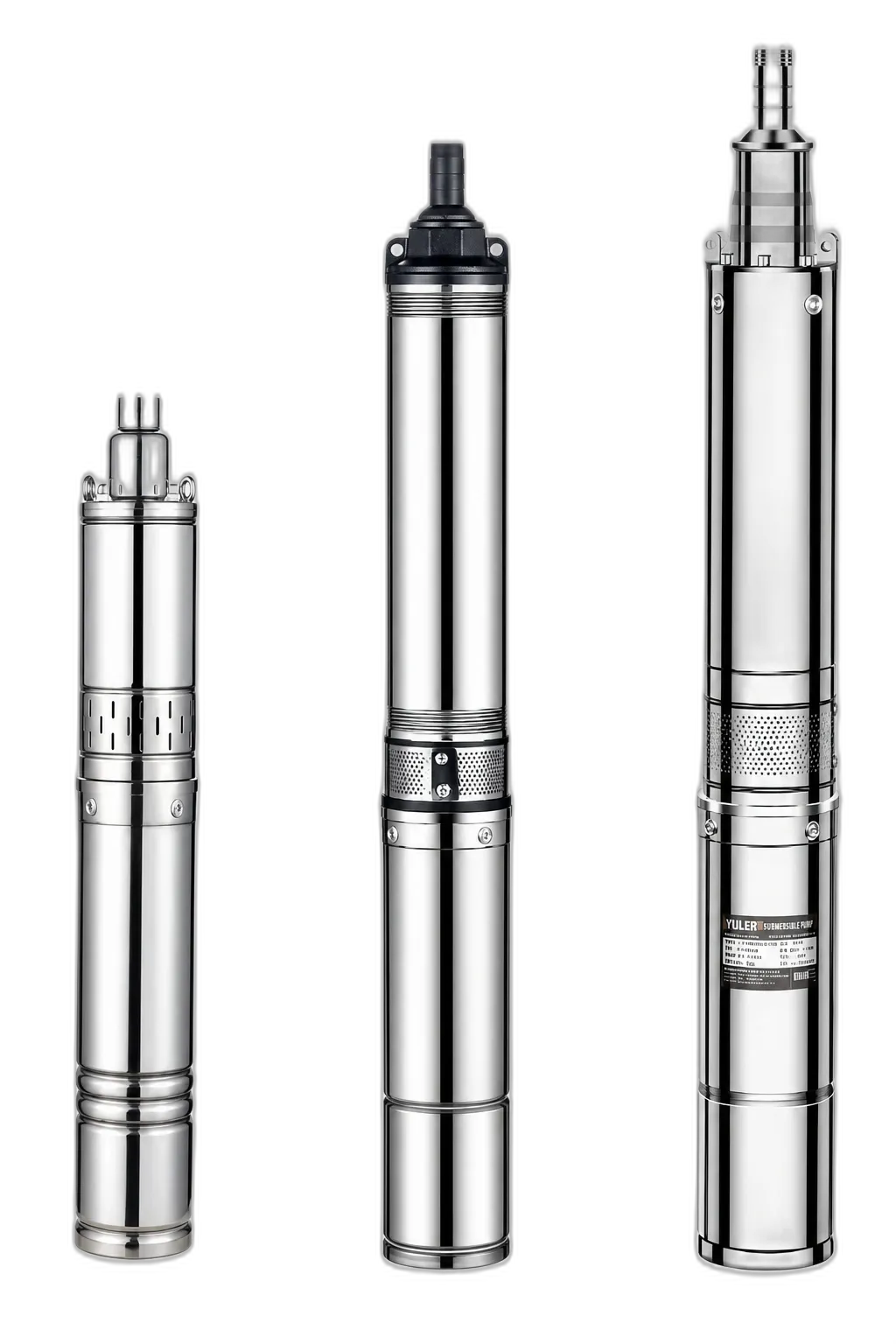
Stainless steel pumps
Stainless steel pumps of different sizes.
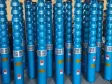
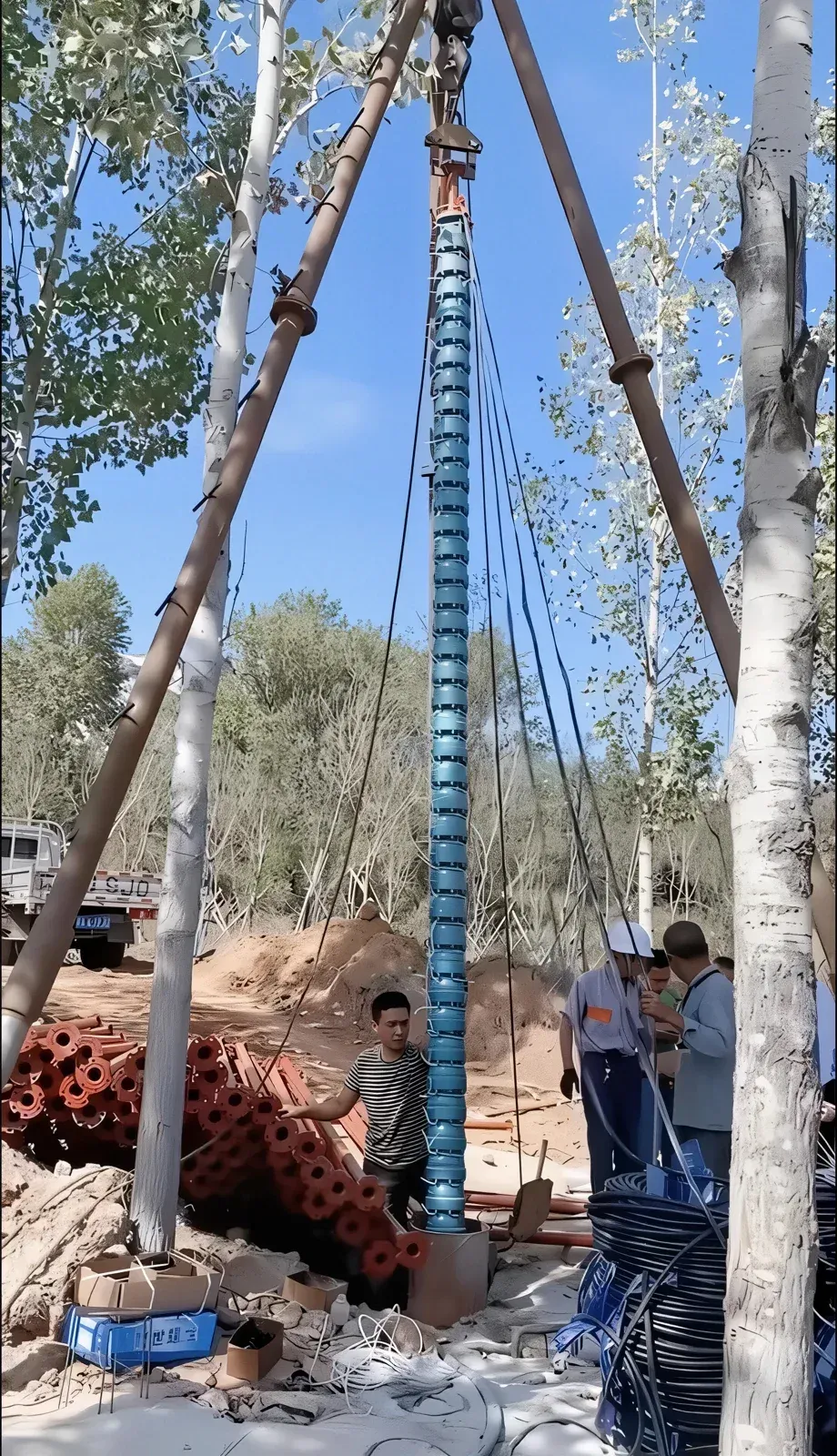
Pumps in the workshop
Slim pumps as they stand in the workshop.
How a borehole pump works
The sealed motor sits at the bottom or below the pump section and turns a stack of impellers. Water enters through the strainer, is lifted stage by stage and leaves through the discharge at the top into the rising main.
Because the whole unit is below the water, there is no suction lift to limit it. The depth of setting, the head and the diameter of the well decide the pump.
Construction
- Pump sectionA stack of impellers and guide chambers in a slim housing.
- Submersible motorA sealed electric motor that works under the water.
- Cable and connectionA cable runs up the well beside the rising main, which is connected at the top of the pump.
- StrainerKeeps coarse material out of the pump inlet.
Choosing a borehole pump
- Well diameter
- The inside diameter of the casing the pump has to fit
- Water level
- Static and pumping level, and the depth of setting
- Flow and head
- Volume needed and the head from the pumping level to the outlet
- Water quality
- Sand content and chemistry
- Power
- Supply voltage and the motor rating available
- Lowering
- Length and weight of the pump and the equipment to lower it
Typical borehole pump duties
Water supply
Drawing water from wells for farms, villages and plants.
Irrigation
Supplying fields from boreholes.
Industrial water
Process and cooling water drawn from a well.
From the works
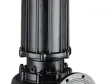
- Pumps with cable and connections
- Loaded on a truck
Frequently asked questions
How do I know which pump fits my well?
Send the inside diameter of the casing, the water level and the depth you want to set the pump at, with the flow you need. The diameter limits the size of the pump and the head sets the number of stages.
Can a borehole pump handle sand?
Sand wears the impellers and the close clearances inside the pump. Send the sand content of the water so we can check the pump against it.
What do you need to quote a borehole pump?
Well diameter, water level, flow and head, water quality and the power supply. Partial data is fine; we will ask for what is missing.
Related products
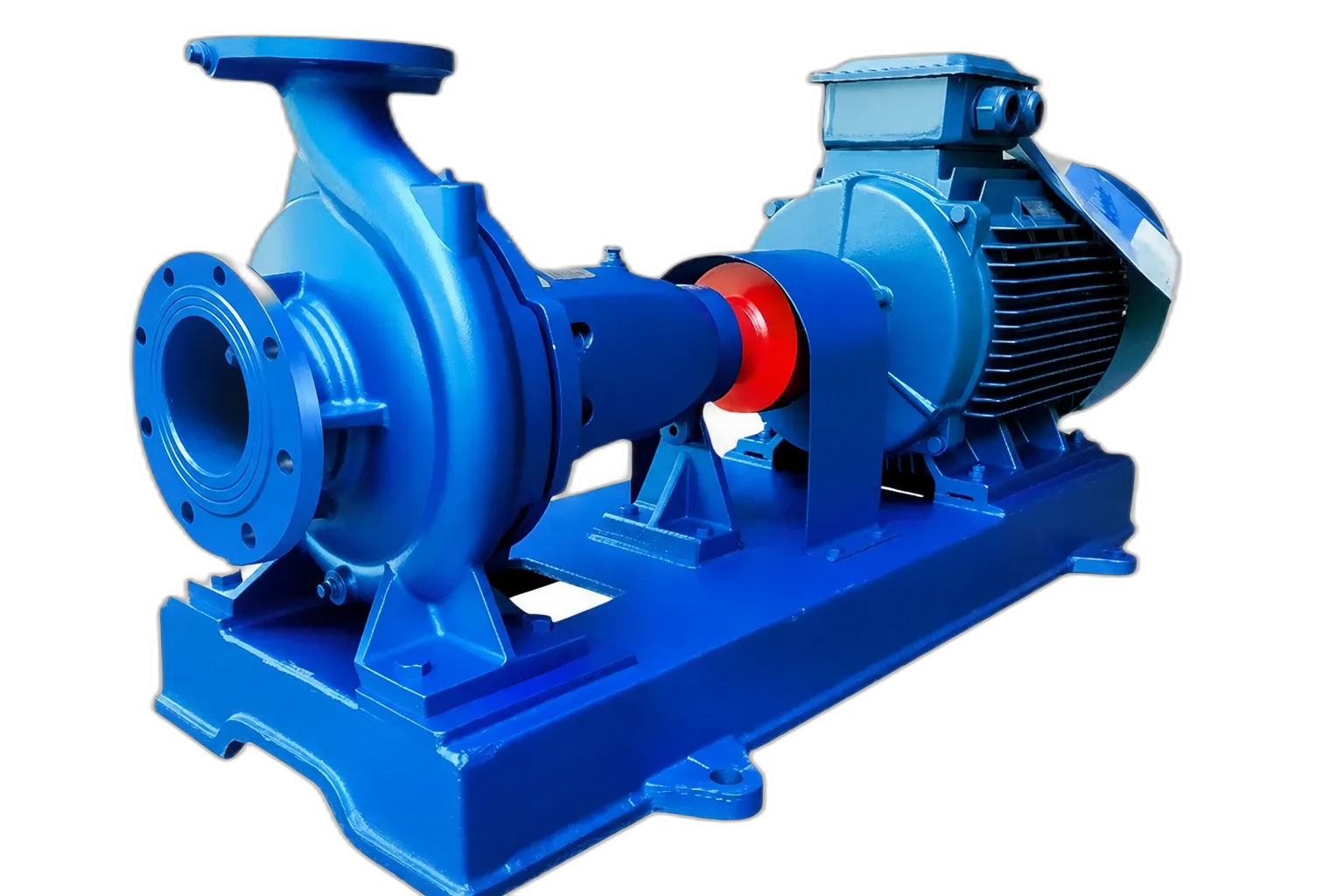
End Suction Centrifugal Pumps
Single-stage clear-water pumps, supplied as a bare pump or as a complete set with motor.
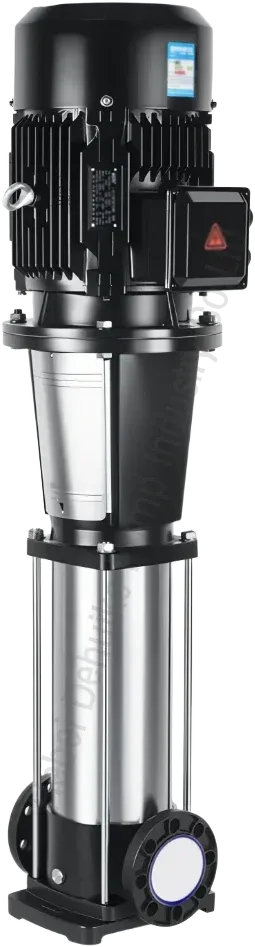
Vertical Multistage Pumps
Compact vertical pumps for pressure boosting, as single pumps or multi-pump sets with a control tank.
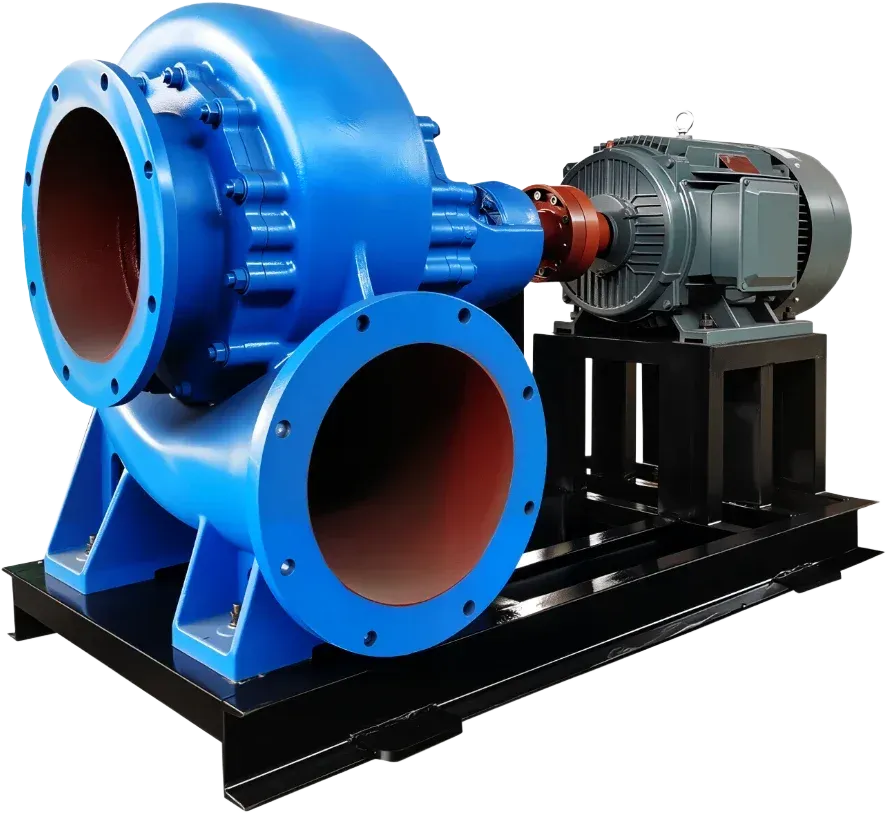
Axial & Mixed Flow Pumps
Large-flow, low-head pumps for drainage, irrigation and flood control, in fixed and mobile arrangements.
Request a quote for borehole submersible pumps
Send the well diameter, the water level, the flow and the head.
- Flow rate
- Total head
- Pumped medium
- Solids concentration
- Particle size
- Materials & wear resistance
- Operating conditions
Prefer email or WhatsApp?sales@kunyuemech.comWhatsApp +86 182 4452 6981
Send your inquiry
Tell us about the duty. Technical details are optional.
Inquiry received
We will reply by email. For a quicker conversation, message us on WhatsApp.
Message us on WhatsApp